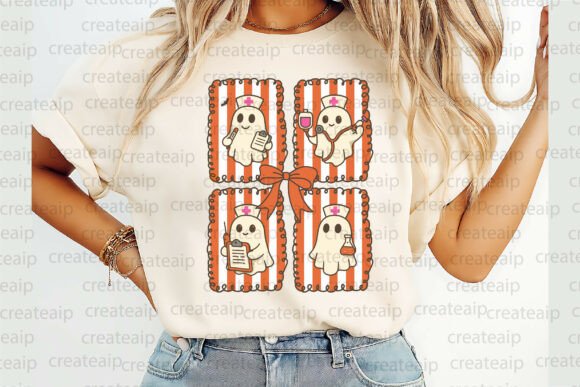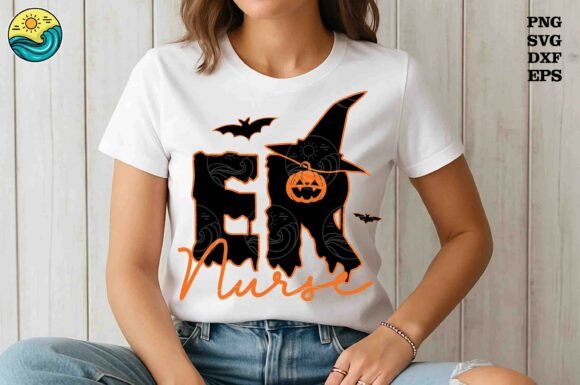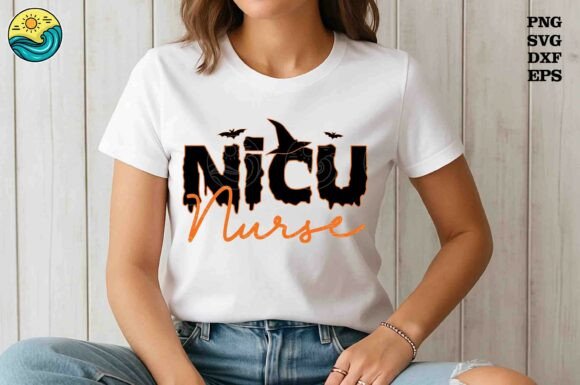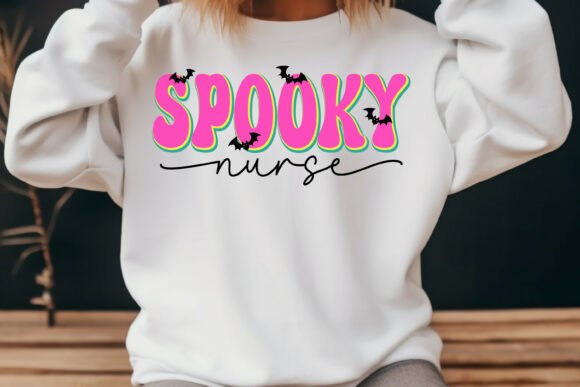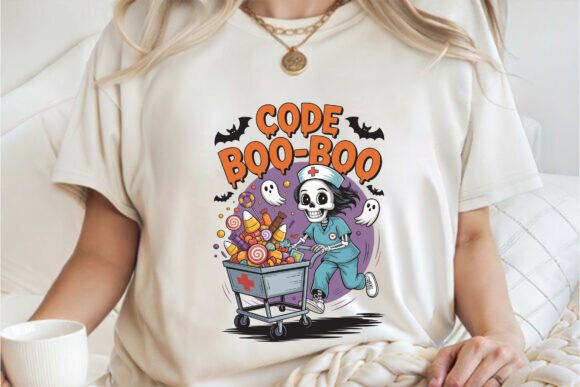
Code Boo Boo Skeleton Nurse Halloween
As a designer who’s stitched hundreds of holiday-themed embroidery files—from subtle nursery motifs to bold festival tees—I opened Code Boo Boo Skeleton Nurse Halloween expecting playful spookiness. What I got was something sharper: a compact, character-driven graphic with surprising versatility. It’s not just another cartoon skeleton—it’s a nurse skeleton wearing a tiny stethoscope and grinning mid-“boo,” rendered in clean vector lines that translate cleanly to both screen and stitch.
A Real Project Test: Embroidering a Nurse-Themed Tote for a Pediatric Clinic Gift Shop
Last week, I prepped a limited-run embroidered tote bag for a local pediatric clinic’s Halloween fundraiser—soft cotton canvas, medium-weight stabilizer, 4” hoop. I chose Code Boo Boo Skeleton Nurse Halloween because it balanced medical warmth and lightheartedness without leaning into cliché. The design scaled cleanly to 3.2” wide (ideal for tote front panels), and its open negative space meant minimal fill stitching—critical when working on textured, loosely woven fabric where dense satin stitch can pucker or distort.
Stitched in black thread on oat-colored canvas, the outline held crisp definition. The stethoscope loop, skull details, and “Boo” lettering all resolved clearly—even the tiny crossbones beneath the text stayed legible at that size. That’s not guaranteed with every Halloween SVG, especially those built for print-first use. This one breathes like an embroidery file should.
Where It Shines—and Where It Asks for Extra Care
Code Boo Boo Skeleton Nurse Halloween works best when treated as a *focused statement*, not a background filler. Its strength lies in clarity, contrast, and intentional simplicity—qualities that serve handmade product makers well.
- Custom apparel & sweatshirt embroidery: Excellent on midweight fleece or cotton-blend hoodies. The design’s vertical proportion fits naturally over left-chest placements or centered back panels. Avoid cramming it onto narrow sleeve bands unless resized below 2”.
- Tote bag design & pillow covers: Ideal. The balanced width-to-height ratio prevents awkward stretching on curved seams or corners. On linen pillow covers, I used light tear-away stabilizer and a 60/8 needle—no skipped stitches, no shadowing.
- Baby embroidery & nursery decor: Use with intention. While sweetly themed, it’s not “cute” in a pastel, cuddly way—it’s wry and clever. Best suited for older toddlers’ onesies or gender-neutral nursery wall art (think framed embroidered hoop pieces). Skip it for newborn gowns unless you’re targeting nurse-parents with dry humor.
- Embroidered patch & cap embroidery: Proceed with caution. The fine stethoscope line and small letterforms demand tight digitizing. If your version wasn’t pre-digitized for caps (and the listing doesn’t confirm it is), test on scrap twill first. Curved surfaces exaggerate thin strokes—what reads as charming on paper may vanish under thread tension on a structured cap bill.
Fabric & Function: Know When to Pause
This isn’t a “set-and-forget” file. Its charm depends on context—and context includes physics. Here’s what I watch for:
- Thin or stretchy fabric: The design’s clean edges rely on stability. On jersey or lightweight rayon, double up with cut-away + topping. Otherwise, the “Boo” letters may blur or the skull’s eye sockets may fill unevenly.
- Dark fabric: Works beautifully—but only if your thread has enough sheen or contrast. Matte black thread on navy can mute detail. Try charcoal-gray or deep plum for richer dimension.
- Frequent-wash items (tea towels, baby bibs): Confirm stitch density before committing. High-density fills trap moisture and wear faster. A lighter fill stitch or strategic running-stitch outlines extend longevity.
- Layered garments (reversible jackets, lined aprons): Check clearance behind the hoop area. The design’s compact footprint helps—but always measure seam allowances first.
What It Adds to Your Craft Business—Beyond the Stitch
For Etsy sellers and small shop owners, Code Boo Boo Skeleton Nurse Halloween delivers more than decoration—it adds narrative. Customers don’t buy a skeleton; they buy insider humor, professional pride, or gentle seasonal levity. That resonance lifts perceived value: a $28 embroidered tote feels thoughtful, not generic.
I’ve seen this design perform strongly in listings tagged “nurse gifts,” “Halloween workwear,” and “medical puns”—especially paired with clean, uncluttered mockups. Its vector origin means you can easily adapt it for printable greeting cards or digital stickers without quality loss, expanding your design assets across product types.
But let’s be real: it won’t suit every brand. If your shop leans minimalist, botanical, or ultra-luxury, this might clash with your visual voice. It thrives in warm, human-centered spaces—boutique gift shops, craft fairs with personality, or online stores built around storytelling.
Practical Designer Notes Before You Stitch
Before cutting fabric or loading your machine:
- Test Code Boo Boo Skeleton Nurse Halloween on scrap fabric matching your final project’s weight and weave.
- Check thread color contrast—not just on white, but against your actual base fabric. Print a black-and-white mockup to assess tonal balance.
- Review stitch density visually. If areas look overly saturated (especially the skull or “Boo”), adjust underlay or reduce fill density slightly.
- Confirm hoop size compatibility. At standard scaling, it fits comfortably in a 4” x 4” hoop—but verify before hooping expensive material.
- Inspect small details: stethoscope curve, crossbone angles, letter spacing. These define the design’s wit—and can get lost if digitizing is rushed.
- Use appropriate stabilizer: medium cut-away for knits, tear-away for stable wovens, topping for napped fabrics like fleece.
- Verify licensing terms. Since it’s labeled “Helpful for Graphic designers to use,” confirm whether commercial embroidery rights are included before selling finished products or reselling as part of a bundle.
In short: Code Boo Boo Skeleton Nurse Halloween is a smart, spirited choice—if you match its energy to the right project, fabric, and audience. It’s not background noise. It’s a conversation starter, stitched clean.