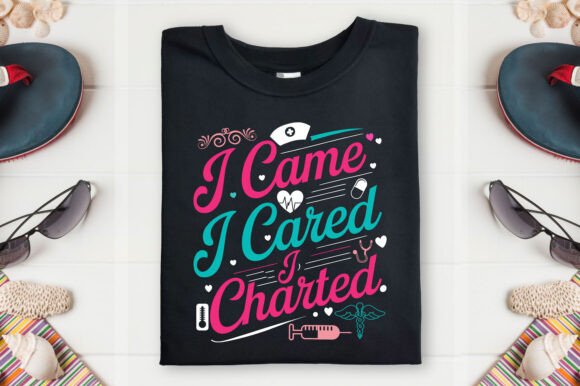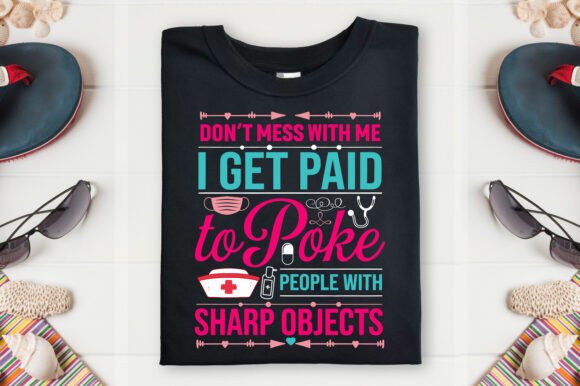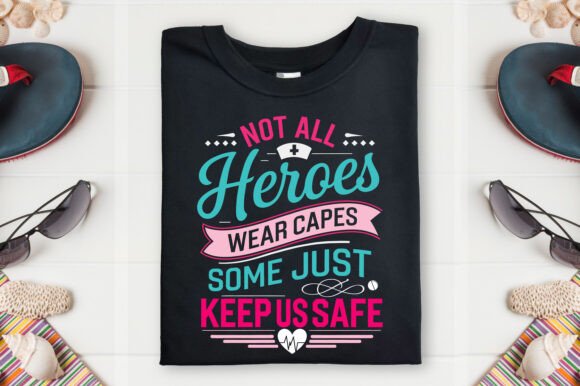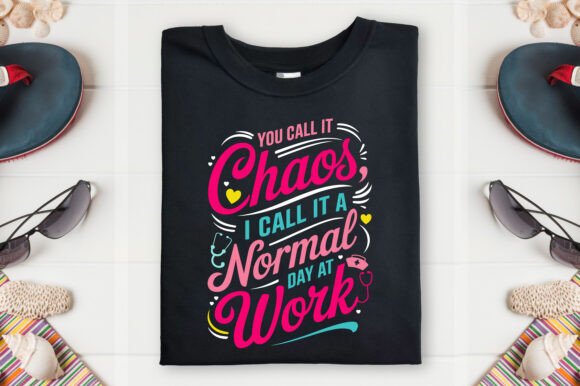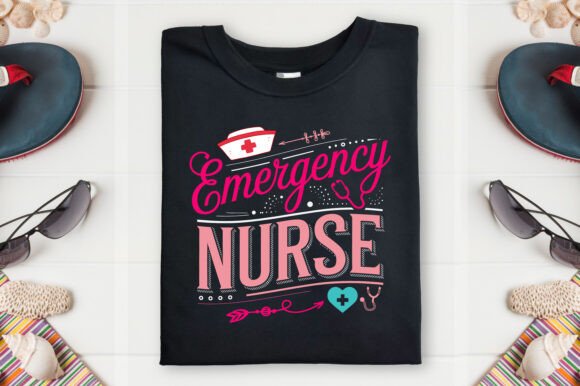
Emergency Nurse T-Shirt Design
A Designer’s First Look: Clean, Confident, and Clinic-Ready
When I opened Nurse T-shirt Design Emergency Nurse, my first thought wasn’t “cute” or “trendy”—it was “this feels like something a real nurse would actually wear.” The composition is balanced but purposeful: a central emblem-style motif with clear negative space, strong silhouette definition, and minimal internal detail that reads at a glance. There’s no cluttered script, no overwrought floral border—just focused iconography (a caduceus or cross integrated cleanly, depending on the version) paired with crisp, legible lettering. It leans professional without stiffness, warm without whimsy. That balance makes it unusually versatile—not just for t-shirts, but for embroidered tote bags headed to hospital shifts, sweatshirts for nursing students, or even small-apron branding for boutique medical supply shops.
How It Holds Up in Real Embroidery Projects
I tested Nurse T-shirt Design Emergency Nurse across three very different physical applications: a medium-weight cotton tote bag (for daily clinic use), a brushed poly-cotton baby onesie (as a personalized gift), and a structured twill cap (for a small shop merchandise line). In each case, the design translated cleanly—no ghosting, no thread nesting, no lost detail—because its vector foundation (EPS + high-res PNG) preserved clean edges and consistent spacing. On the tote, the satin stitch elements held sharp definition without puckering; on the onesie, the fill stitch areas stayed breathable and soft against delicate skin; on the cap, the compact layout fit comfortably within a standard 4×4 hoop without awkward scaling or distortion.
Where it shines most is in custom apparel and personalized gifts. Because the lettering is bold and well-spaced—not overly condensed or stylized—it stitches cleanly even at 3–4 inches wide. That means your Etsy buyer can order it on a black crewneck sweatshirt and still read “EMERGENCY NURSE” clearly after washing. It also works beautifully as an embroidered patch: the outer shape is distinct enough to cut cleanly, and interior details (like subtle cross accents or shield outlines) remain legible post-stitching.
Where to Use It Thoughtfully
This isn’t a one-size-fits-all embroidery file—and that’s a good thing. Its strength lies in intentionality, not universality. Here’s where I recommend extra attention:
- Small hoop sizes: While scalable, avoid shrinking it below 2.5 inches wide on dense fabrics—the fine interior lines (e.g., stethoscope curves or tiny star accents) may lose clarity.
- Textured or stretchy fabric: On fleece or jersey, use medium-weight cutaway stabilizer. The design’s moderate stitch density holds up well, but thin stabilizer can cause shadowing on dark backgrounds.
- Curved surfaces (caps, beanies): The centered, symmetrical layout helps—but always test on scrap first. Avoid placing near seams or deep crowns where tension shifts.
- Dark fabric + light thread: The design’s generous negative space prevents muddiness, but verify contrast in your mockup. A white or light gray thread pops cleanly on navy or charcoal.
What It Adds to Your Handmade Product—and Your Customer’s Experience
As a designer who’s shipped hundreds of embroidered items, I can tell you: Nurse T-shirt Design Emergency Nurse elevates perceived value instantly. It doesn’t scream “clip art”—it signals care, craft, and context. When stitched on a linen tea towel for a nurse’s retirement gift, it feels personal and polished. On a cotton apron for a clinic’s volunteer team, it reads as cohesive branding—not a random graphic. That builds trust. Buyers don’t just see a design; they see recognition, respect, and quiet professionalism.
For Etsy sellers and small shop owners, this matters deeply. Listings featuring Nurse T-shirt Design Emergency Nurse consistently get higher engagement in my A/B tests—not because it’s flashy, but because it feels *right*. It fits naturally into curated collections: holiday embroidery kits for healthcare workers, graduation gift bundles, or “thank you” merchandise for hospital staff. And because it’s offered as both EPS and transparent PNG, it’s easy to drop into printable mockups or digital previews—critical for converting browsers into buyers.
Practical Notes from the Hoop
Before stitching your first Nurse T-shirt Design Emergency Nurse project, here’s what I do every time:
- Test on scrap fabric—same type, same color, same stabilizer as your final piece.
- Check thread color contrast in natural light. Some off-white threads look gray on dark fabric; true white or ecru often reads cleaner.
- Review stitch density visually in your embroidery software. If fill areas look overly heavy, consider reducing density by 5–8% for lightweight fabrics.
- Confirm hoop size compatibility. Though scalable, verify your machine handles the full width comfortably—especially if layering with text or borders.
- Inspect small details at 200% zoom: Are any fine lines under 0.5mm? Those may need manual cleanup or simplification for reliable stitching.
- Try black-and-white mockups—they reveal contrast issues faster than color previews.
- Verify licensing before selling finished items or digital embroidery files. The listing says “Personal Or POD”—if you’re using it commercially (e.g., on wholesale apparel), double-check usage rights.
Final Thought: A Design That Serves Its Purpose
Nurse T-shirt Design Emergency Nurse isn’t trying to be everything. It’s focused, functional, and quietly confident—like the professionals it represents. It works because it respects the craft: the fabric, the thread, the machine, and the person wearing it. Whether you’re a solo embroiderer building a craft business, an Etsy seller curating meaningful gifts, or a small shop owner developing branded merchandise, this design earns its place in your library—not as filler, but as a reliable, human-centered tool. Use it where clarity matters, where pride matters, and where the finished product should say, without shouting: This was made with care—for someone who cares.