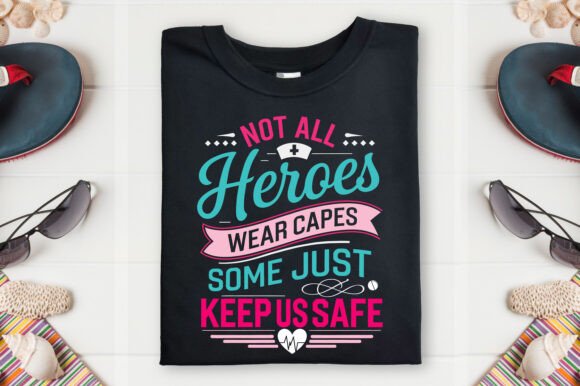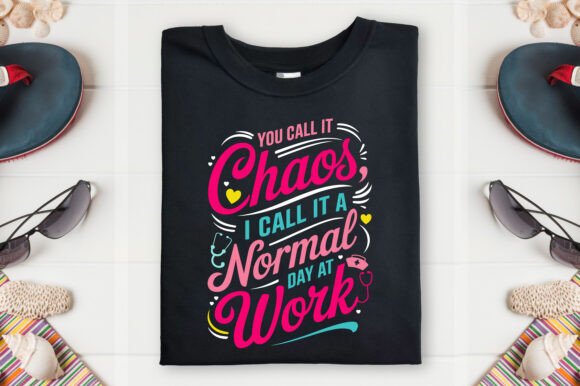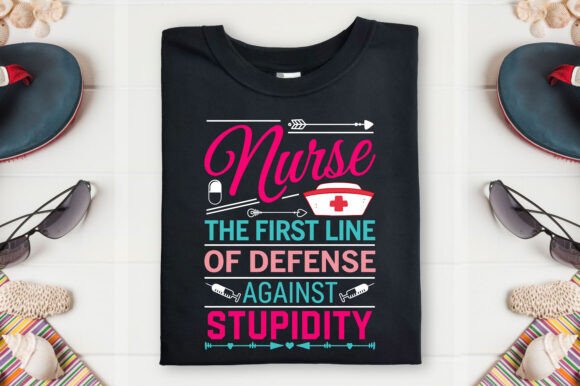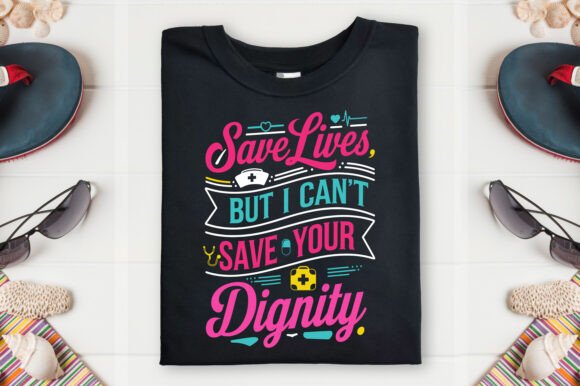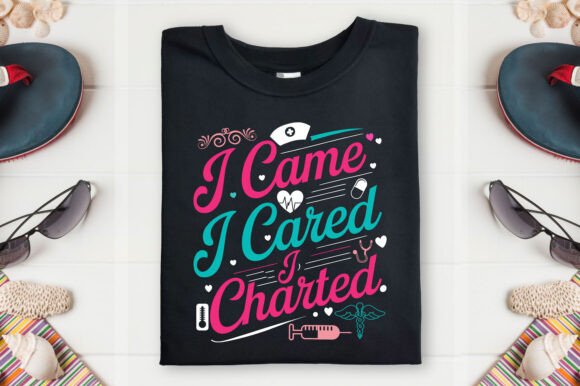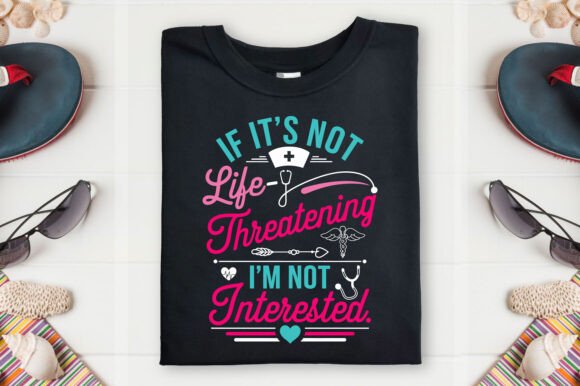
Nurse T-shirt Design Nursing Funny Jokes
As someone who’s digitized, stitched, and sold hundreds of embroidery designs — from boutique baby onesies to hospital staff aprons — I opened Nurse T-shirt Design Nursing Funny Jokes expecting charm, but what stood out immediately was its intentional simplicity. It’s not overly detailed or fussy. No tiny medical icons crammed into corners, no fragile script that’ll vanish under satin stitch. Instead, it lands with warmth, wit, and just enough visual weight to hold up on real fabric — especially when stitched.
Last week, I used it for a custom embroidered tote bag destined for a pediatric nurse’s birthday gift. Cotton canvas, medium-weight stabilizer, standard 40-weight poly thread. The design sat cleanly centered on the front panel — no distortion, no puckering. That tells me Nurse T-shirt Design Nursing Funny Jokes has smart spacing, balanced negative space, and a layout built for real-world embroidery, not just screen display.
What This Design *Actually* Feels Like in Hand
The mood is friendly, grounded, and quietly confident — not sarcastic or edgy. It reads like something a nurse would genuinely wear, not a meme slapped onto fabric. The lettering is bold but rounded, avoiding harsh angles that dig into thread or snag during wear. There’s no excessive shadowing or drop effects — a huge win. Those “designer flourishes” often collapse into muddy fill-stitch blobs when stitched at 8–10 inches wide. This one doesn’t ask for that.
Visually, it’s compact without feeling cramped. That matters when you’re hooping a curved cap brim or fitting it onto a baby onesie chest. It’s got breathing room — which means fewer re-hooping moments, less chance of misalignment, and smoother transitions between satin-stitched outlines and fill areas.
Where It Shines (and Where It Needs Care)
Nurse T-shirt Design Nursing Funny Jokes works beautifully on:
- Custom apparel — especially cotton tees, lightweight sweatshirts, and linen-blend tops where clarity matters more than flash.
- Tote bag design — the scale holds up well at 7–9 inches wide, and the clean lines prevent “bleed” into textured canvas weave.
- Embroidered patch — its defined edges and moderate density make it ideal for heat-applied or sew-on patches on scrubs or jackets.
- Baby embroidery — scaled down to 3.5–4 inches, it stays legible on onesies and burp cloths, especially with soft pastel thread colors.
- Holiday embroidery — think nurse-themed Christmas stockings or “Thank You” gifts for healthcare workers in November/December.
But be thoughtful with:
- Stretchy fabric — like performance knit tees — use cutaway stabilizer and test tension first. The design’s clean shape can emphasize even minor stretching if unstabilized properly.
- Dark fabric — while the PNG file gives you transparency control, remember: white or light thread on black requires higher stitch density to avoid fabric show-through. Check fill stitch coverage before finalizing.
- Curved surfaces — caps or beanies need careful hooping and possibly reduced density in outer curves. This design’s moderate width helps, but don’t push it beyond ~4.5 inches on a low-profile cap.
- Frequent-wash items — like kitchen towels or nursing aprons — confirm your thread colorfastness and consider reinforcing high-contrast outlines with a second satin pass if needed.
How It Shapes Your Finished Product
This isn’t just about stitches — it’s about perception. A well-executed Nurse T-shirt Design Nursing Funny Jokes elevates a plain tee into a personalized gift. Customers notice the crispness of the lettering, the evenness of the fill, the confidence in the spacing. That builds trust — especially for Etsy sellers or small shop owners whose brand lives or dies by handmade presentation.
It also supports brand consistency. Whether you’re selling nursing-themed merchandise year-round or building a seasonal collection (e.g., “Nurses Week Essentials”), this design fits naturally — no forced theme-matching or awkward scaling. Its tone aligns with professionalism *and* personality, which makes it easier to photograph, list, and sell.
And yes — it boosts giftability. I’ve watched customers add these to cart as “just because” items: a lighthearted “thank you” for a friend who just passed boards, a graduation gift for a new RN, or a morale-boosting treat for an ICU team. That emotional resonance starts with how the design *feels* before it’s ever stitched.
Practical Embroidery Designer Notes
Before stitching Nurse T-shirt Design Nursing Funny Jokes on your next project:
- Test on scrap fabric first — especially if using textured, dark, or stretchy material. Note how thread lays and whether outlines pop.
- Review stitch density — dense fill areas may need slight reduction on lightweight fabrics to prevent stiffness.
- Confirm hoop size — the 4500×5400 px artboard suggests flexibility, but always check your actual machine’s max hoop dimensions before digitizing or resizing.
- Inspect small details — even simple fonts can have tight kerning. Zoom in on the PNG and EPS files to verify legibility at your target size.
- Test black-and-white mockups — how does it read in grayscale? That’s how many buyers will see it in thumbnails or printed catalogs.
- Compare light/dark backgrounds — use your design software to preview against both white and navy fabric swatches.
- Use proper stabilizer — medium-weight cutaway for knits, tear-away for stable wovens, and fusible for lightweight linens.
- Verify licensing — the description says “Any Personal Or Pod,” but confirm commercial use terms directly with the seller before listing finished products or digital embroidery files.
If you're an Etsy seller or craft business owner, this design earns its place in your library not because it’s flashy — but because it’s reliable, recognizable, and rooted in real use. It doesn’t shout. It connects. And in embroidery — where every stitch carries intention — that’s exactly what makes a design worth keeping.