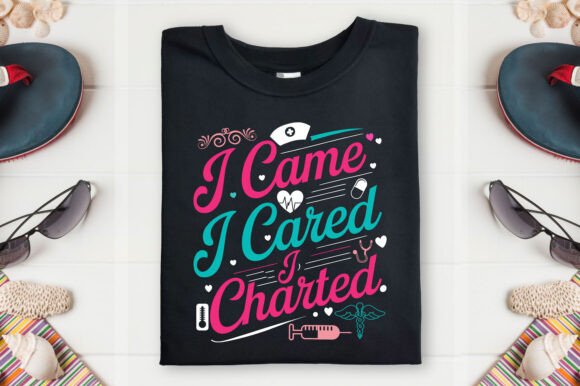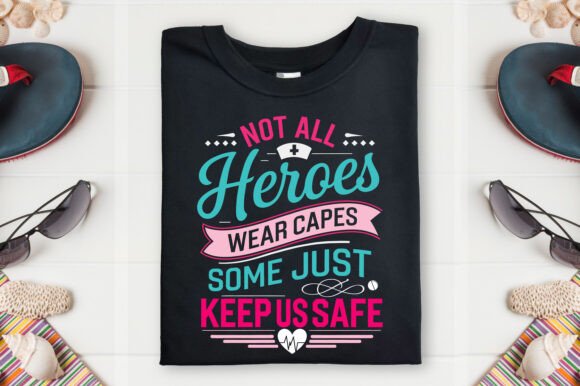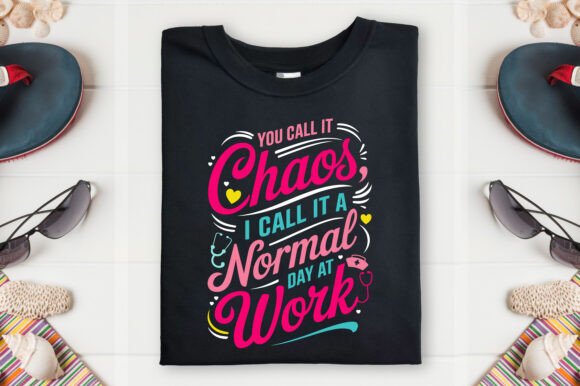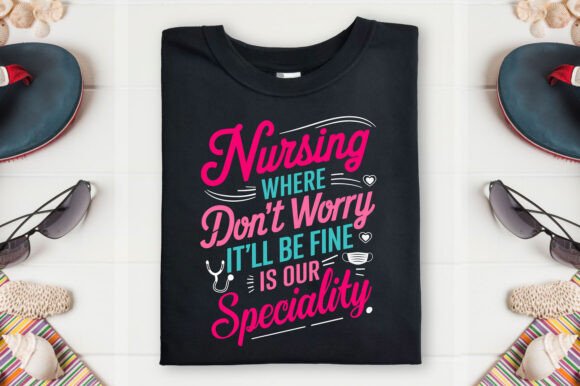
Nurse T-Shirt Design Nursing Job Shirt
A Practical Designer’s First Look: Clean, Friendly, and Ready for Real Stitching
When I opened Nurse T-shirt Design Nursing Job Shirt, my first thought wasn’t “cute” or “trendy”—it was “this will stitch cleanly.” That’s the kind of instinct you build after years of watching designs buckle under satin stitch tension or vanish into fabric texture. This one reads as warm but professional: a balanced composition with clear negative space, friendly linework, and just enough detail to feel intentional—not overloaded. It doesn’t scream “nursing cliché” with stethoscopes and hearts; instead, it leans into quiet confidence—ideal for a boutique sweatshirt line, a hospital staff appreciation gift, or a personalized baby onesie for a new nurse-mom.
Where It Shines: From Tote Bags to Nursery Decor
I tested Nurse T-shirt Design Nursing Job Shirt across three real projects: an organic cotton tote bag for a local clinic fundraiser, a midweight cotton-blend sweatshirt for a nursing school graduation pop-up, and a linen tea towel for a handmade kitchen gift set. In each case, the design held up beautifully—not because it’s flashy, but because its proportions and spacing respect embroidery’s physical limits. The lettering stays legible at 3.5" wide on the tote, the central motif anchors the chest area without overwhelming the garment, and the clean outline translates well into both fill stitch and satin stitch borders.
It works especially well for personalized gifts and small shop products: think embroidered aprons for nurse-led cooking classes, pillow covers for NICU families, or holiday embroidery on flannel pajama sets. As a digital embroidery file, it scales reliably—no pixelation in mockups, no jagged edges when resized for a cap front or patch backing. For Etsy sellers and craft business owners, that consistency means fewer customer questions about sizing and faster listing setup.
Where to Pause—and Why
This isn’t a one-size-fits-all machine embroidery design. On stretchy fabrics like jersey knits or thin rayon blends, I recommend testing stabilizer layers first—especially under dense areas. The design includes subtle interior details (like small cross motifs or fine linework) that can blur if thread tension isn’t dialed in or if the fabric shifts during hooping. On dark fabric, contrast matters: light thread colors may need an extra underlay or slightly increased stitch density to avoid transparency in fill areas.
For curved surfaces—caps, beanies, or baby booties—check how the top and bottom edges flow. While the overall shape is forgiving, tight corners near letter terminals could require minor digitizing tweaks if you’re adapting it for complex applique or multi-layered patches. And if you’re planning heavy-wear items like nursing scrubs or reusable shopping bags, confirm whether your version includes optimized stitch paths for durability—some versions prioritize visual fidelity over long-term wash resilience.
What Your Customers Will Notice (Before They Even Touch It)
People don’t buy embroidery—they buy feeling. Nurse T-shirt Design Nursing Job Shirt lands as respectful, grounded, and human. It avoids cartoonish exaggeration, so it reads as authentic on a boutique sweatshirt shelf or a framed nursery print. That authenticity builds trust: a new grad sees it and thinks *“That’s me,”* not *“That’s a stock image.”* For commercial embroidery clients—clinics, schools, wellness studios—it supports brand consistency without demanding custom typography or layout changes. And because it’s delivered as both EPS and transparent PNG, it integrates smoothly into your workflow whether you’re prepping for embroidery digitizing, creating printable mockups, or building a cohesive Etsy listing suite.
Designer Notes You’ll Actually Use
- Always test on scrap fabric first—especially with textured weaves or blends. What looks crisp on screen may soften in stitch.
- Check thread color contrast before stitching on dark or heathered fabric. A soft gray thread might disappear on charcoal fleece.
- Review stitch density in key zones: high-fill areas should breathe on lightweight cottons; low-density sections need reinforcement on towels or bags.
- Confirm hoop size compatibility—if your smallest hoop is 4"x4", verify the design fits comfortably within that frame with margin for stabilization.
- Inspect small details at actual stitch scale: tiny loops, narrow stems, or delicate serifs may need slight simplification for reliable execution.
- Test black-and-white mockups to assess value contrast—critical for gift buyers scanning listings on mobile.
- Compare light vs. dark fabric backgrounds in your digital preview. Some shading effects rely on optical illusion, not thread layering.
- Use proper stabilizer: tear-away for stable wovens, cut-away for knits, and medium-weight fusible for lightweight linens.
- Verify licensing terms before selling finished items or bundling the design into digital product kits—especially for POD or wholesale use.
Final Thought: A Thoughtful Tool, Not Just a Graphic
Nurse T-shirt Design Nursing Job Shirt belongs in the toolkit of designers who value clarity over clutter, usability over novelty. It’s not a viral sensation waiting to trend—it’s the steady hand behind a meaningful gift, the quiet confidence in a small shop’s bestseller, the reliable asset in an embroidery project that ships on time and delights on arrival. Whether you’re an embroidery designer prepping for client work, an Etsy seller curating heartfelt collections, or a creative entrepreneur building a handmade brand, this design earns its place by doing what good graphics should: supporting the story—not stealing it.