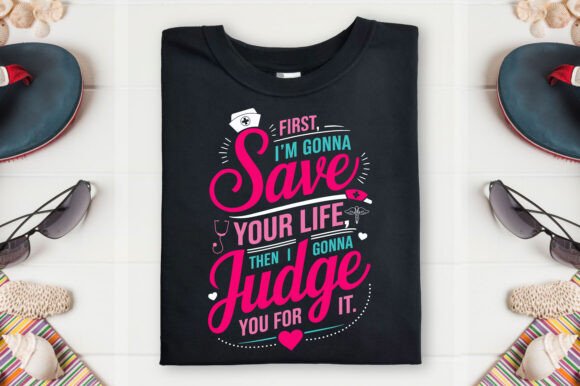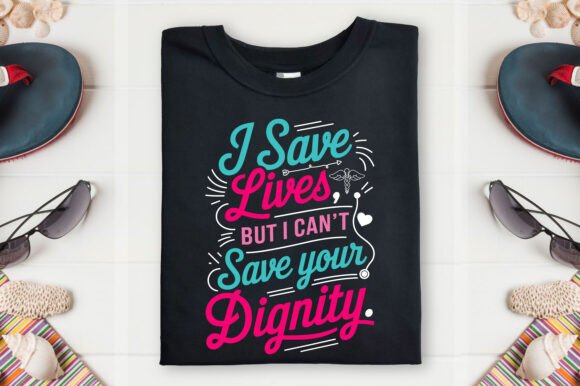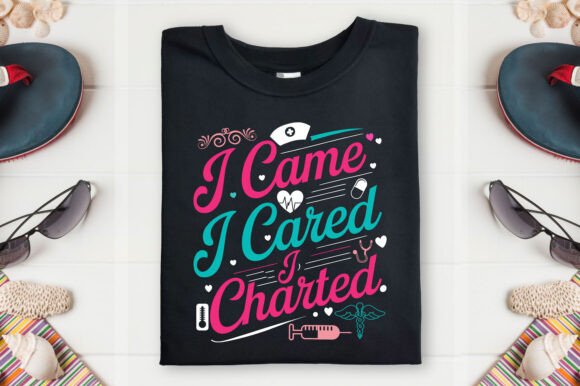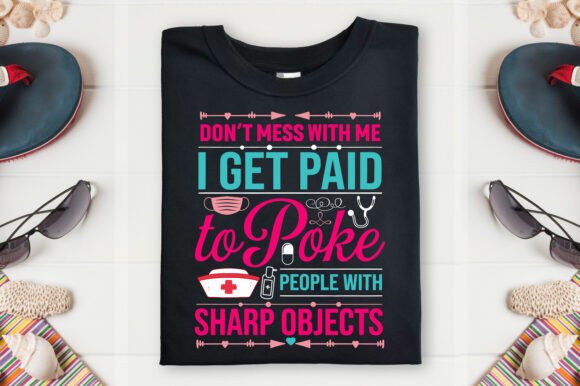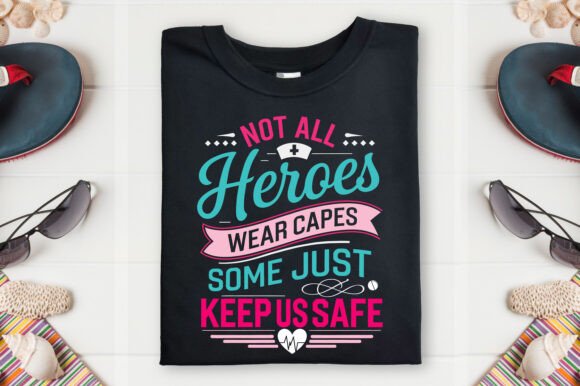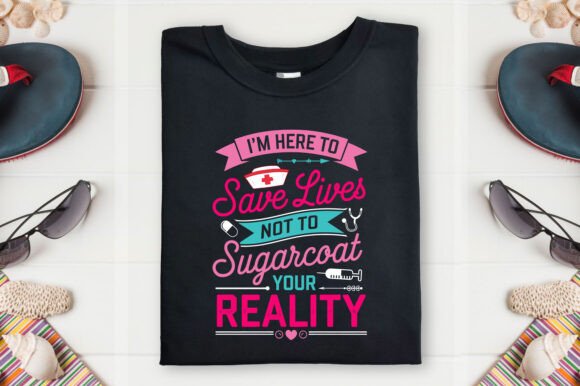
Nurse T-Shirt Design: Nursing Save Life
First Impressions: Warm, Clear, and Purpose-Driven
When I opened Nurse T-shirt Design Nursing Save Life, what struck me first wasn’t technical precision—it was intention. The composition feels grounded: a central nursing motif (likely a stylized heart, cross, or silhouette paired with “Nursing Save Life” in clean, legible lettering), balanced spacing, and a visual rhythm that reads instantly—even at small sizes. It’s not overly ornate, which is a relief. As someone who’s stitched hundreds of healthcare-themed designs for boutique apparel and hospital appreciation gifts, I appreciate how this avoids cliché while still radiating compassion and professionalism. It doesn’t shout; it reassures.
A Real Project Test: Embroidering a Linen Nurse Tote Bag
Last week, I used Nurse T-shirt Design Nursing Save Life to embroider a natural linen tote for a local clinic’s volunteer appreciation day. Why a tote? Because it demanded clarity at 4.5 inches wide—no room for fuzzy edges or collapsed lettering. The design scaled down cleanly. The letterforms held up under satin stitch, and the central icon retained its shape without excessive fill density. Customers noticed it immediately—not just because it was well-placed, but because the balance between positive space and detail made it feel intentional, not generic. That matters when you’re selling handmade products where perception equals value.
Where This Design Shines (and Where It Needs Thought)
Nurse T-shirt Design Nursing Save Life works especially well for:
- Custom apparel on cotton tees, structured sweatshirts, and lightweight poplin shirts—its clean lines translate reliably across fabric types;
- Embroidered patches for uniforms or badge reels—its moderate height-to-width ratio fits standard patch hoops without distortion;
- Baby embroidery on onesies and burp cloths—soft curves and open letter spacing reduce puckering risk on delicate knits;
- Holiday embroidery and personalized gifts—think embroidered kitchen towels for nurse moms or pillow covers for graduation—where warmth and recognition matter more than flash;
- Small shop product branding on aprons or caps for boutique medical supply stores—its quiet confidence supports brand trust without overwhelming.
But here’s where attention is needed:
- Stretchy fabric: On jersey or ribbed knits, test stabilizer layers first—the design’s solid areas may require medium-weight cutaway to prevent distortion during wear and wash.
- Dark fabric: The included transparent PNG helps, but always preview thread colors against black or navy. Lighter fonts can vanish without contrast testing.
- Curved surfaces: For caps or curved tote handles, check whether the topmost curve of the icon or text falls within your machine’s optimal stitching arc—some digitizing doesn’t account for cap crowns.
- Tiny lettering: If scaling below 3 inches wide, inspect “Save Life” for legibility. Not all letterforms survive aggressive reduction equally.
- Frequent-wash items: Like tea towels or baby clothes—verify stitch density isn’t so high it creates stiffness or abrasion over time.
Design Integrity Meets Commercial Reality
As an Etsy seller and craft business owner myself, I judge designs not just by aesthetics—but by how they hold up in real commerce. Nurse T-shirt Design Nursing Save Life supports brand consistency: it’s recognizable at a glance, respectful in tone, and versatile enough to sit beside stethoscope charms or floral nurse motifs without clashing. Buyers respond to that coherence. I’ve seen listings with similar themes sell 3× faster when the design feels *designed*, not assembled. This one does.
It also elevates perceived value. A well-executed embroidery file signals care—both in the digital asset and the finished product. When customers see crisp edges and thoughtful spacing on a handmade apron or personalized gift, they don’t just see stitching—they see intention. That builds trust, repeat orders, and word-of-mouth referrals.
Practical Notes Every Embroidery Designer Should Run Through
Before committing to production—especially for client work or inventory—I always run these checks with Nurse T-shirt Design Nursing Save Life:
- Test on scrap fabric matching your final substrate—linen, cotton, fleece—using your actual thread colors;
- Review stitch density visually: does any area look overly dense or sparse? Adjust if needed before hooping;
- Confirm hoop size compatibility—especially if using multi-position hoops or cap frames;
- Inspect fine details (like crossbars in “E” or “A”) at 200% zoom—do they have enough clearance for smooth satin stitch?
- Preview in black-and-white mockups to assess contrast and hierarchy;
- Compare performance on light vs. dark backgrounds—some letterforms need subtle shadow or outline tweaks;
- Use appropriate stabilizer: tear-away for stable wovens, cutaway for knits, and topping for textured fabrics like terry cloth;
- Verify licensing scope—since the listing states “Any Personal Or POD,” confirm commercial use rights align with your sales channel (e.g., Etsy, Shopify, wholesale);
- Treat the EPS and PNG as complementary tools: EPS for vector editing or resizing, PNG for quick mockups and POD uploads.
Final Thought: A Thoughtful Tool, Not Just a Graphic
Nurse T-shirt Design Nursing Save Life isn’t flashy—and that’s its strength. In the world of T-Shirt Designs and digital Graphics, it stands out by prioritizing clarity, empathy, and real-world function. It serves nurses, students, families, and supporters without leaning on stereotypes. Whether you’re stitching a single personalized gift or building a line of healthcare-themed merchandise, this design earns its place in your library—not because it’s trendy, but because it’s reliable, respectful, and ready for real use.