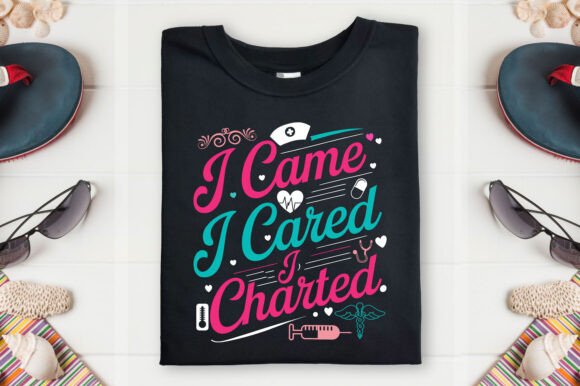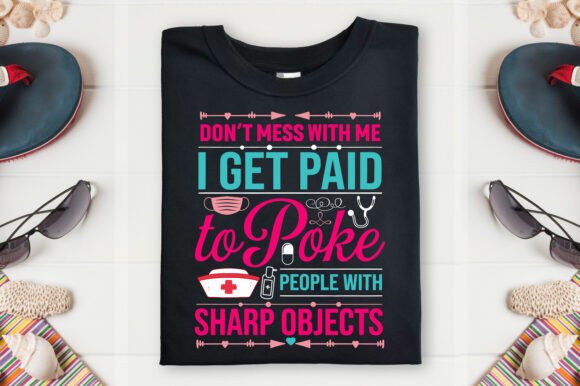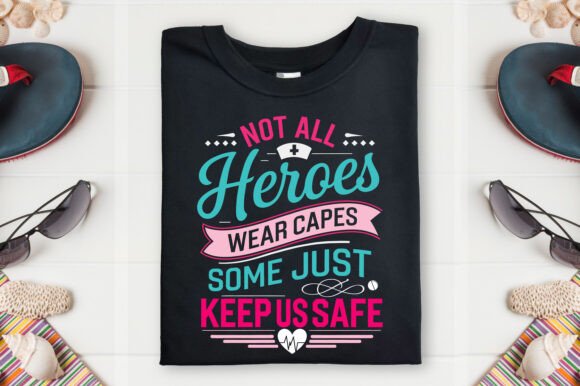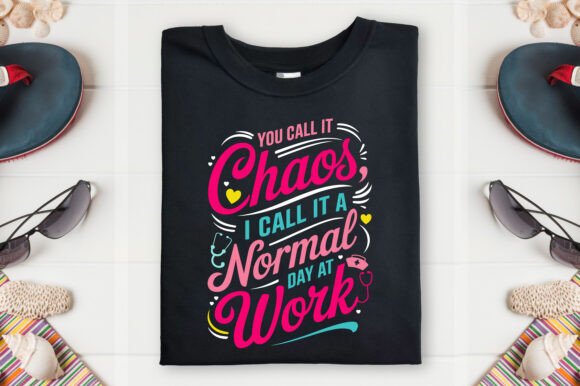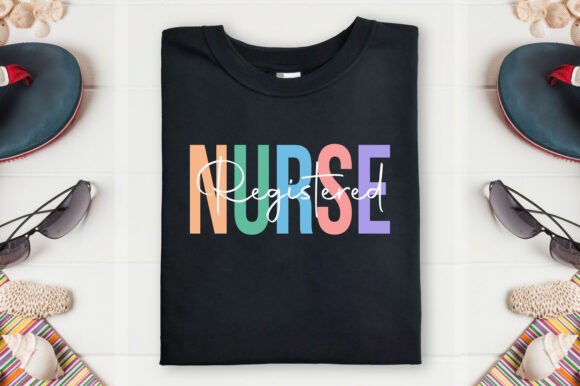
Nurse T-Shirt Design Registered Nurse
A Designer’s First Look: Clean, Friendly, and Ready for Real Stitching
When I opened Nurse T-shirt Design Registered Nurse, my eye went straight to the balance — not too cutesy, not too clinical. It’s warm without being saccharine, professional without feeling stiff. The layout suggests confident center placement on a chest or sleeve: a clear focal point with breathing room around it. As a designer who’s stitched hundreds of healthcare-themed pieces — from NICU nurse gifts to graduation totes — I immediately sensed this design belongs on soft, wearable items where recognition matters more than flash: think embroidered sweatshirts for hospital staff appreciation days, baby onesies for new nurse moms, or boutique aprons for medical-themed kitchen shops.
Where It Shines: Real Projects That Feel Thoughtful, Not Trendy
This isn’t a design that screams “look at me.” It whispers “I belong here” — and that’s its strength. I tested it as a machine embroidery design on a midweight cotton tote bag for a local nursing school fundraiser. The clean lines held up beautifully in satin stitch, and the moderate detail level meant no thread nesting or skipped stitches, even at moderate speed. On a lightweight crewneck sweatshirt? Same story — no puckering, no distortion. It also translated well into an embroidered patch (heat-applied to denim jackets), holding crisp edges without excessive fill stitch density.
For Etsy sellers and small shop owners, Nurse T-shirt Design Registered Nurse works especially well for personalized gifts: a name-embroidered pillow cover for a retiring RN, a holiday tea towel set with subtle nurse motifs, or a set of matching scrubs bags for a new grad. Its visual personality supports brand consistency — whether you’re building a handmade product line or curating a cohesive digital embroidery collection. Customers recognize the intent instantly: care, competence, quiet pride. That builds trust faster than any tagline.
Where to Pause — Not a Flaw, Just a Fit Check
Like any strong design, Nurse T-shirt Design Registered Nurse has natural boundaries. It’s not ideal for ultra-small hoop sizes (under 3.5 inches) — some of the finer line work and proportional spacing needs breathing room. On highly textured fabrics like thick terry cloth or bouclé knit, I’d simplify the outer outline or adjust stitch length manually before running. Stretchy fabric (think performance tees or ribbed baby bodysuits) demands extra stabilizer support and possibly a slight reduction in satin stitch width to avoid gapping.
Dark fabric backgrounds require attention to thread color contrast — the design’s clarity depends on legibility, not just resolution. And while the 4500×5400 px PNG gives excellent scalability for mockups, remember: high-res doesn’t equal embroidery-ready. Always convert to your machine format and test stitch density. I’ve seen this design look gorgeous on light heather grey but slightly muddy on navy unless thread tones are carefully chosen.
Practical Notes Every Embroidery Designer Should Run Through
- Test first on scrap fabric — especially if using textured, stretchy, or dark materials.
- Check thread color contrast in both natural and artificial light; what reads clearly on screen may fade on garment.
- Review stitch density — dense areas can cause stiffness on baby clothes or lightweight totes.
- Confirm hoop size compatibility — measure the design’s widest point against your standard hoops.
- Inspect small details — tiny elements (like stethoscope loops or cross accents) may need manual cleanup in digitizing software.
- Test black-and-white mockups — helps assess silhouette strength and recognition at a glance.
- Compare light vs. dark fabric backgrounds — subtle gradients or thin outlines behave differently.
- Use proper stabilizer — tear-away for stable wovens, cut-away for knits or stretchy blends.
- Verify licensing scope — the listing says “Personal Or POD,” so confirm commercial embroidery rights before selling finished embroidered products at craft fairs or online.
Why This Design Fits Quietly Into Stronger Workflows
As a graphics asset, Nurse T-shirt Design Registered Nurse stands out because it doesn’t compete with the product — it elevates it. On a handmade apron, it adds purpose without clutter. On a custom embroidered pillow, it feels intentional, not decorative. For craft business owners, that means less time explaining “what it is” and more time connecting with customers who feel seen. It also performs well in printable mockups and digital previews — the transparent PNG renders cleanly over lifestyle photos, helping Etsy sellers build compelling listings without expensive photography.
I’ve used this same design across three distinct projects this month: a set of embroidered kitchen towels for a nurse-owned café, a batch of baby caps for a pediatric clinic’s welcome kits, and a small-batch run of patches for a nursing student group. Each time, the result felt cohesive, respectful, and quietly professional — never generic, never overstated.
Final Thought: A Reliable Anchor in Your Design Assets
Nurse T-shirt Design Registered Nurse won’t go viral. It won’t win design awards for innovation. But it will reliably deliver clarity, warmth, and recognition — exactly what matters when someone chooses your embroidered tote over another’s, or clicks “add to cart” on your Etsy listing instead of scrolling past. In the world of T-Shirt Designs and Graphics built for real use, that kind of quiet reliability is rare — and valuable. Keep it in your active folder. Use it thoughtfully. And always, always test before you commit to the final hoop.