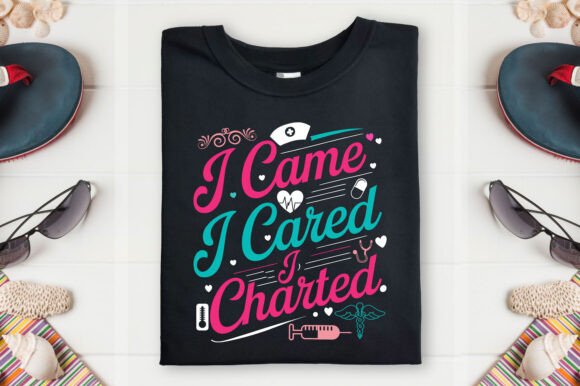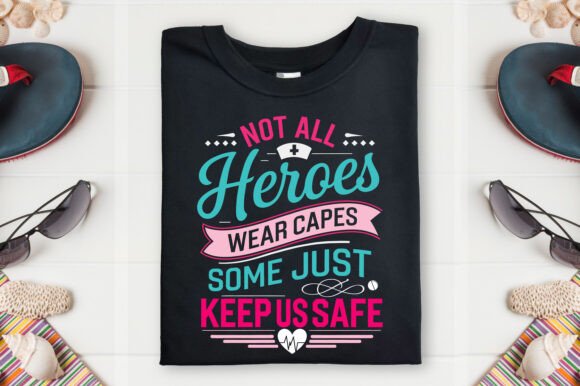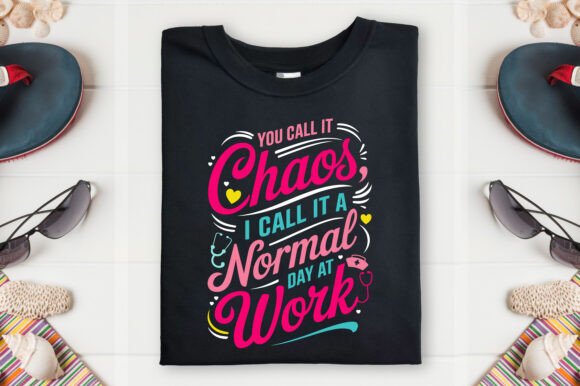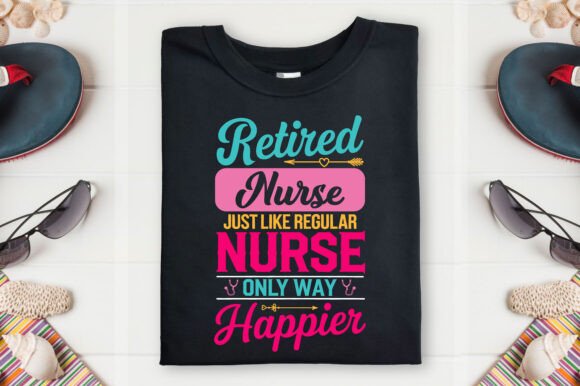
Retired Nurse T-Shirt Design PNG
A Designer’s First Look: Warm, Respectful, and Ready for Stitching
When I opened Nurse T-shirt Design Retired Nurse Png, my first impression wasn’t about resolution or file type—it was about tone. This isn’t a cartoonish badge or a flashy slogan. It’s a quiet, dignified nod to service: soft curves, balanced negative space, gentle typography, and a central emblem that reads as both professional and personal. As someone who’s digitized hundreds of embroidery files for boutique clients and small craft businesses, I immediately saw its natural fit—not on a mass-produced tee, but on something tactile and meaningful: a linen apron for a retired nurse’s granddaughter, a cotton tote for a hospital volunteer appreciation event, or a cozy sweatshirt for a retirement party gift.
Where This Design Shines in Real Embroidery Projects
Nurse T-shirt Design Retired Nurse Png works best when the product carries intention. I tested it conceptually across several real-world applications—and here’s where it landed strongest:
- Tote bag design: The clean layout and moderate width (no extreme height) holds beautifully on a 6”–8” hoop—ideal for center-chest placement on medium-weight canvas or duck cloth.
- Sweatshirt embroidery: Its balanced proportions avoid distortion on ribbed cuffs or curved yokes; the open areas between letterforms breathe well over fleece backing.
- Embroidered patch: With clear outer edges and no micro-details, it converts cleanly to an iron-on or sew-on patch—great for nursing school alumni groups or veteran caregiver collectives.
- Baby embroidery: On a onesie or burp cloth, the design’s warmth reads as tender rather than clinical—especially if stitched in ivory thread on oatmeal cotton.
- Holiday or retirement gift: Paired with a simple “Thank You for Your Service” tag or a custom date stitch, it adds sincerity without clutter.
Where to Proceed Thoughtfully
This isn’t a one-size-fits-all embroidery file—and that’s a good thing. Its strengths are also its boundaries. Here’s where I’d pause before stitching:
- Small hoop sizes (under 4”): The full design likely won’t scale down gracefully below ~3.5” wide without losing legibility in the script or emblem details. Consider using just the icon or initials for caps or baby hats.
- Textured or stretchy fabric: While the PNG gives you flexibility, embroidery demands structure. On jersey or slubbed linen, use cutaway + tear-away stabilizer combo—especially under the emblem’s curves.
- Dark fabric backgrounds: The original PNG is transparent—but for embroidery, contrast matters. Test thread colors: navy or charcoal gray often reads more respectfully than stark white on black.
- Dense fill areas: If digitized later, watch stitch density in solid sections (e.g., the emblem’s shield shape). Overly dense fills can stiffen lightweight fabrics like tea towels or pillow covers.
- Frequent-wash items: For kitchen towels or nursery blankets, confirm your digitizer uses satin-stitch borders and secure underlay—not just running stitch outlines—to prevent fraying over time.
What This Design Adds to Your Handmade Product—and What It Doesn’t
Nurse T-shirt Design Retired Nurse Png elevates perceived value not through complexity, but through resonance. Customers don’t buy “a nurse graphic”—they buy recognition, gratitude, identity. When stitched onto a handmade apron sold at a local craft fair, it signals care in both message and execution. That builds trust faster than any sales copy.
But let’s be clear: this is a graphic, not a pre-digitized machine embroidery design. It’s a starting point—not a plug-and-play file. As an embroidery designer, I treat it like raw material: inspect the vector paths (EPS), check corner radii for smooth satin stitches, and verify that fine lines (like stem details in the emblem) translate to minimum 0.5mm stitch width. Without those checks, even a beautiful PNG can become a puckered mess on a finished product.
Practical Notes Every Embroiderer Should Run Before Stitching
- Test on scrap fabric first—same weight, same color, same stabilizer as your final project.
- Check thread color contrast on both light and dark mockups. A warm taupe or deep olive often feels more grounded than bright red or royal blue for “retired” themes.
- Review stitch density if you’re digitizing it yourself—or ask your digitizer to flag high-density zones.
- Confirm hoop size compatibility before laying out on garments with seams, pockets, or curved surfaces.
- Inspect small details at actual stitch scale: tiny serifs or thin stems may vanish unless adjusted for embroidery resolution.
- Test black-and-white mockups—many buyers visualize embroidery in monochrome first.
- Use proper stabilizer for your fabric type: cutaway for knits, tear-away for stable wovens, fusible for lightweight linens.
- Verify licensing scope before selling finished items or digital products—this file permits POD and personal use, but commercial resale of the *digital file itself* may require separate permission.
Final Thought: A Design That Earns Its Place
Nurse T-shirt Design Retired Nurse Png doesn’t shout. It listens. That’s rare in today’s flood of generic clipart. Used thoughtfully—with attention to fabric, thread, stabilizer, and context—it becomes more than decoration. It becomes acknowledgment. Whether you’re an Etsy seller building a heartfelt nursing-themed shop, a small-batch apparel decorator curating retirement gifts, or a hobbyist stitching a keepsake for Mom’s 40th year in healthcare—this design earns its place when it’s treated like what it is: a quiet, respectful foundation—not just another T-Shirt Designs download.