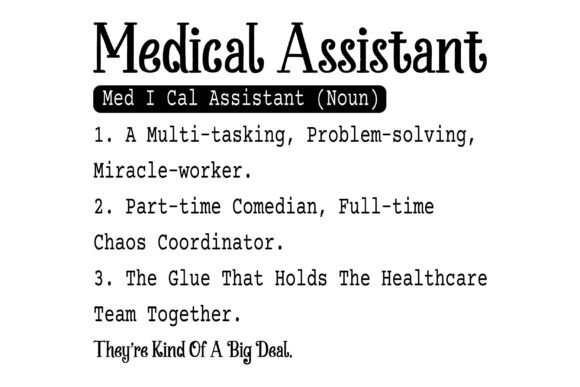
Medical Assistant Definition SVG
A Designer’s First Glance: Clean, Calm, and Purposeful
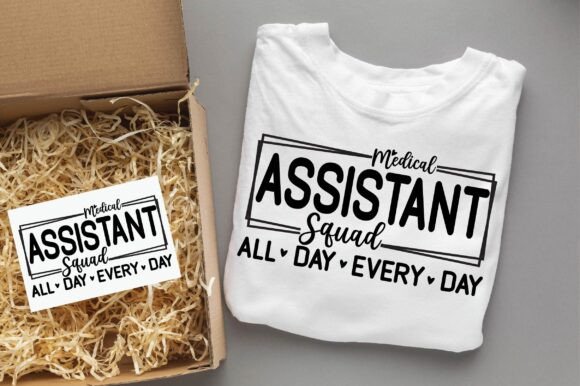
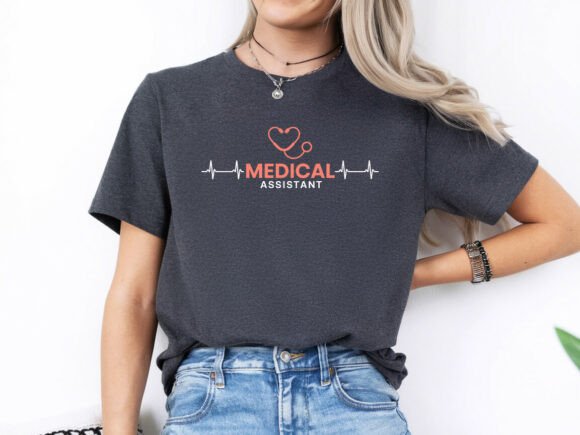
Opening Medical Assistant Definition SVG feels like stepping into a well-organized clinic—quiet confidence, no visual clutter, and clear intent. It’s not flashy or cartoonish; it leans into clean typography with subtle medical motifs (think simplified caduceus or cross accents—not overdone) woven into the letterforms or as quiet bookends. The layout breathes: generous spacing, balanced weight distribution, and a vertical rhythm that suggests dignity without stiffness. As an embroidery designer who’s stitched hundreds of profession-themed pieces, I immediately picture this on a structured cotton tote for a new grad, or centered on a soft unisex sweatshirt for a boutique gift set. It doesn’t scream—it supports. That’s its strength.
Where It Shines in Real Embroidery Projects
I recently prepped Medical Assistant Definition SVG for a custom embroidered apron order from a local healthcare training school. They wanted something wearable, respectful, and instantly legible—not a logo, but an affirmation. Stitched at 3.5" wide on midweight twill with a light tear-away + cut-away stabilizer combo, the design held crisp edges across curves and corners. The lettering stayed readable even at that scale, and the minimal iconography translated cleanly in satin stitch without bleeding or distortion. It worked equally well on a baby onesie (scaled to 2.25") and a linen tea towel—both high-contrast fabric choices where clarity matters most.
This isn’t just a T-Shirt Designs asset repurposed for stitching—it behaves like a native embroidery-ready concept. On sweatshirt embroidery, the moderate stitch density kept bulk low while maintaining definition. As an embroidered patch, it pressed flat and held shape after laundering. For holiday embroidery—say, a small hoop pillow cover for a med student’s stocking—it reads warmly, not clinically. And yes, it’s performed solidly in commercial embroidery runs for small shop merchandise: consistent registration, no thread breaks on dense fills, and zero issues on standard 4"–5" hoops.
Where to Pause—and Test Thoughtfully
That said, Medical Assistant Definition SVG asks for intentionality in certain contexts. On thin, stretchy fabrics like lightweight jersey tees? It’ll need extra stabilization and possibly reduced fill density—those clean lines can blur if the ground fabric shifts mid-stitch. On dark fabric, confirm your thread colors deliver enough contrast; some pale grays or soft blues in the original palette may need swapping to charcoal or navy for legibility. Curved surfaces—like caps or curved tote handles—require careful digitizing adjustments you won’t get from a raw SVG alone. If you’re converting this Graphics file into a machine embroidery design yourself, inspect tight corners and tiny serifs closely: they’re elegant on screen but can become fragile or lost in dense fill stitch without proper underlay or stitch angle tuning.
Also worth noting: while it scales gracefully down to ~2", pushing below 1.75" risks losing nuance in the finer icon details. For baby embroidery on 3-month onesies or delicate nursery decor, stick to the 2"-2.5" sweet spot and test on scrap first. And if you’re planning layered garments (e.g., embroidery over ribbed knit cuffs), add a bit more stabilizer thickness—this design’s clean aesthetic depends on surface stability.
What It Adds to Your Finished Product—Beyond Stitching
Customers notice tone before technique. Medical Assistant Definition SVG carries quiet professionalism—no clipart energy, no forced whimsy. That builds trust, especially for handmade product buyers seeking authenticity. On Etsy, it elevates listings: paired with a thoughtful printable mockup, it reads as curated, not generic. As part of a craft business’s branding suite—say, on matching embroidered pillow covers and kitchen towels—it reinforces cohesion without repetition. Gifting-wise, it lands with sincerity: a personalized gift for a certification celebration feels meaningful, not mass-produced. And because it avoids dated trends or overly literal imagery, it stays relevant across seasons and buyer demographics.
Practical Notes Every Embroidery Designer Should Run Through
- Always test Medical Assistant Definition SVG on scrap fabric matching your final project’s weight, texture, and stretch.
- Check thread color contrast on both light and dark fabric backgrounds—don’t assume the default palette works universally.
- Review stitch density: if converting from SVG to embroidery file, ensure fill areas aren’t over-digitized for your fabric type.
- Confirm hoop size compatibility—this design fits comfortably in standard 4" x 4" hoops, but verify before batching.
- Inspect small details in black-and-white mockups: what reads as subtle on screen may vanish in monochrome stitching.
- Use appropriate stabilizer—lightweight cut-away for stable wovens, medium-weight for knits, and tear-away + topping for napped or textured fabrics like terry cloth.
- Verify licensing terms directly with the source: Medical Assistant Definition SVG is marketed for platforms like Etsy and Amazon, but confirm whether it permits commercial embroidery of finished goods or resale of digital embroidery files.
Final Thought: A Quiet Workhorse, Not a Showstopper
Medical Assistant Definition SVG won’t dominate a tradeshow booth—but it will earn repeat orders from clinics, schools, and thoughtful buyers who value substance over sparkle. It’s the kind of design that makes your craft business feel reliable, your personalized gift feel considered, and your small shop product feel intentional. In a market flooded with loud, fast-turnaround Graphics, this one earns its place through restraint, readability, and real-world versatility. Just remember: respect its simplicity. Test it. Tune it. Then let it do what it does best—speak clearly, stitch cleanly, and serve the work behind the title.