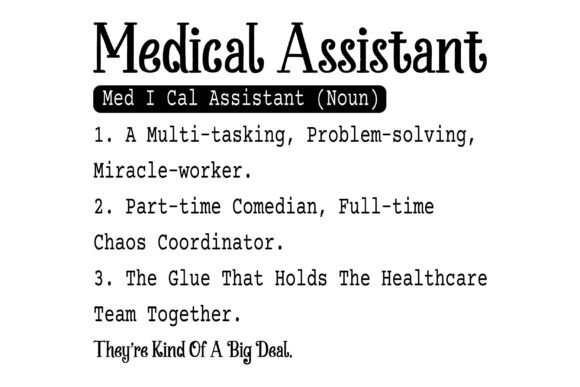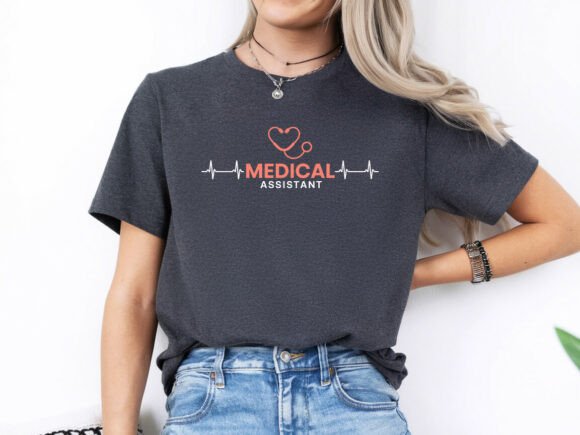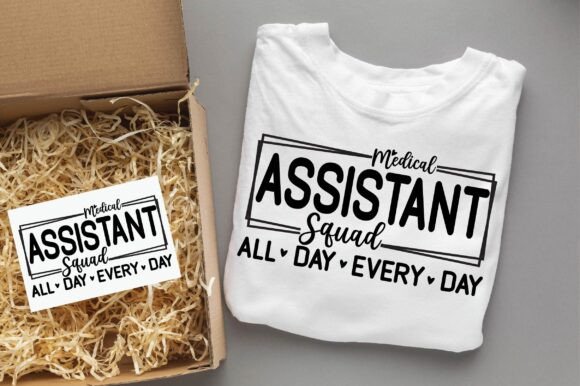
Medical Assistant Squad Svg Healthcare
A Designer’s First Look: Friendly, Professional, and Ready for Real Stitches
When I opened Medical Assistant Squad Svg Healthcare, my first thought wasn’t “cute” or “trendy”—it was “this feels like a team you’d actually want on your side.” The composition balances approachability and authority: clean outlines, balanced spacing between figures and text, and a visual rhythm that suggests unity without stiffness. As a designer who’s stitched hundreds of healthcare-themed pieces—from pediatric clinic aprons to NICU volunteer tote bags—I immediately sensed this isn’t just clipart dressed up as embroidery. It carries intention. That matters when you’re translating pixels into thread.
Where This Design Lives Best: From Boutique Counter to Baby Shower Gift
Last week, I prepped a custom embroidered tote for a local medical assistant training program. They wanted something warm but polished—no cartoon stethoscopes or oversimplified icons. Medical Assistant Squad Svg Healthcare landed perfectly on a natural canvas tote, centered just below the shoulder strap. After stitching, the design held its shape across the fabric’s subtle texture, and the proportions read clearly at 4.5 inches wide—neither lost in scale nor overwhelming the bag’s flow. It also worked beautifully on a soft cotton-blend sweatshirt for a graduation gift: the layout allowed room for names or dates without crowding, and the moderate detail level meant no stitch nesting or thread breaks on the knit surface.
I’ve seen similar graphics fail on baby onesies—too dense, too sharp, too much fine line work—but this one breathes. Its open negative space and forgiving curves make it viable for baby embroidery, especially when sized down to 3 inches with simplified fill stitch settings. It also translates well to embroidered patches (heat-applied or sewn-on), where crisp edges and consistent line weight help maintain professionalism after repeated laundering.
Fabrics & Surfaces: Where to Proceed Thoughtfully
- Thin or stretchy fabrics: Use light- to medium-weight cutaway stabilizer underneath—especially for t-shirts or lightweight polos. The design’s balanced density helps, but avoid pushing below 3 inches on jersey knits without testing.
- Dark or textured fabrics: The design’s contrast-ready layout means it reads cleanly on charcoal sweatshirts or linen tea towels—just confirm your thread colors pop (e.g., bright teal or cream over navy). Avoid ultra-fuzzy terrycloth unless you’re willing to add extra underlay or reduce fill density.
- Caps and curved surfaces: It’s not ideal for front-panel cap embroidery unless resized and re-digitized for low-profile satin stitch. The original layout assumes flat-hoop stability—so save it for back-strap embroidery or structured caps with smooth crowns.
- Tiny lettering or corners: While legible at standard sizes, don’t shrink the text portion below 0.25 inches without checking stitch integrity. Fine serifs may blur on dense fill areas—consider swapping to a clean sans-serif applique version if you need ultra-small personalization.
What This Design Adds—Beyond the Stitch
Medical Assistant Squad Svg Healthcare quietly elevates perceived value. On a handmade kitchen towel sold at a local boutique, it signaled care and credibility—not just craft, but purpose. Customers commented on how “real” it felt compared to generic heart-and-cross motifs. That trust transfers: when used on personalized gifts (think: embroidered pillow covers for a nurse’s retirement or holiday stockings for med student families), it reads as thoughtful, not transactional.
For Etsy sellers and small shop owners, this is a reliable anchor design—it pairs easily with complementary elements (a simple cross icon, a minimalist heartbeat line) without competing. And because its theme sits comfortably between clinical and compassionate, it avoids seasonal limitations. You can list it year-round as part of a healthcare professional bundle, a graduation collection, or even a “thank you to essential workers” campaign—without feeling dated or overly niche.
Practical Embroidery Designer Notes Before You Stitch
- Always test Medical Assistant Squad Svg Healthcare on scrap fabric matching your final project’s weight and stretch—especially for custom apparel or baby items.
- Check thread color contrast on both light and dark mockups before digitizing or ordering production. A printable mockup saves time and thread.
- Review stitch density: if your machine flags high-density zones, consider reducing fill opacity slightly or switching dense areas to tatami fill for better drape on apparel.
- Confirm hoop size compatibility—this design likely fits standard 4×4 or 5×7 hoops at common sizes, but verify before hooping expensive fabric.
- Inspect small details in black-and-white preview mode. Does the iconography hold up without color cues? For healthcare contexts, clarity is non-negotiable.
- Use appropriate stabilizer: cutaway for knits, tear-away for stable wovens, and fusible + cutaway for lightweight linens or tea towels.
- Double-check licensing terms before selling finished products or digital embroidery files—especially if listing on Etsy or using in commercial embroidery projects.
Final Thought: A Design That Serves Its People
This isn’t just another T-Shirt Designs graphic dropped into a folder. Medical Assistant Squad Svg Healthcare works because it respects both the craft and the context. It stitches cleanly, scales thoughtfully, and communicates meaning without shouting. Whether you’re building a craft business, embroidering personalized gifts, or creating merchandise for a clinic or school, it delivers quiet professionalism—thread by careful thread.