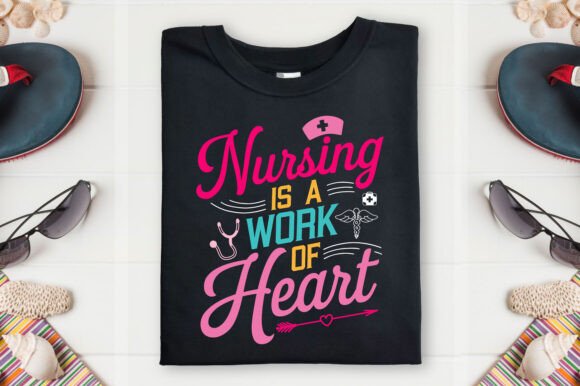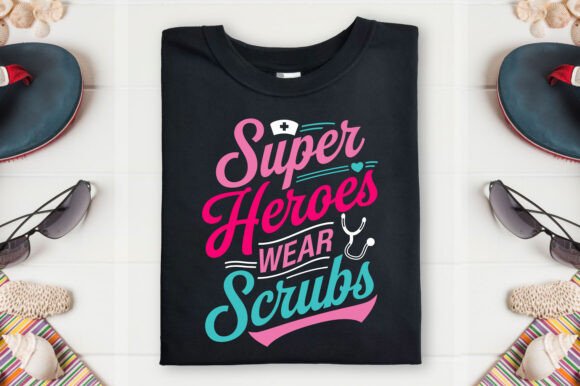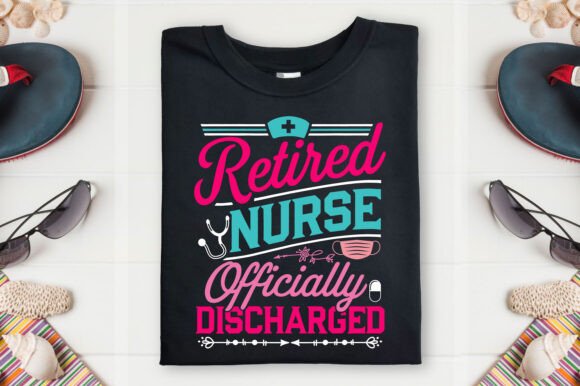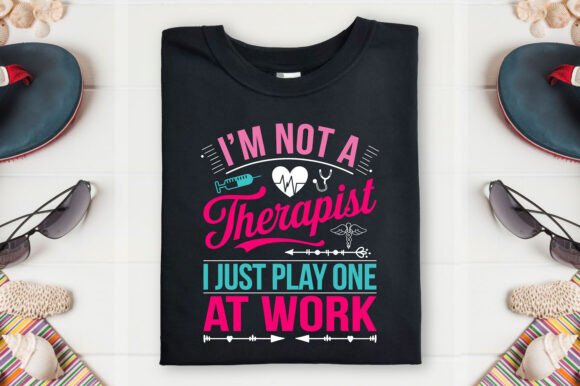
Nurse at Work Shirt Design Review
As someone who’s digitized, stitched, and sold hundreds of embroidery designs—especially for healthcare-themed apparel—I opened Nurse T-shirt Design Nurse at Work Shirt with quiet curiosity, not hype. I wasn’t looking for “cute” or “trendy.” I was asking: Will this hold up on a nurse’s embroidered tote bag for hospital orientation week? Will it read clearly on a baby onesie gifted to a new NICU nurse? Does it feel professional enough for a boutique’s holiday gift set—or too generic for a small shop’s brand voice?
First impression? It’s clean, centered, and softly confident—not overly detailed, not cartoonish. The composition suggests a stylized but respectful nod to nursing: balanced layout, clear silhouette, and room around key elements (stethoscope, badge, maybe a subtle heart or cross). It doesn’t shout; it nods. That’s a good sign for embroidery. Overly busy graphics collapse under stitch density. This one breathes.
Where This Design Earns Its Keep
Nurse T-shirt Design Nurse at Work Shirt shines in projects where clarity and warmth matter more than flash. Think:
- A medium-weight cotton tote for a nursing school graduation—stitched in navy thread on natural canvas, with crisp satin-stitched outlines and soft fill stitches that won’t stiffen the fabric.
- A relaxed-fit sweatshirt for a pediatric clinic’s staff appreciation day—scaled to 4–4.5 inches wide, placed left-chest, holding detail without requiring ultra-fine needles or excessive stabilizer.
- A patch for scrubs or lab coats—its defined edges and moderate detail translate well to cutaway stabilizer and standard bobbin tension.
- A tea towel or pillow cover for a nurse’s home office or nursery—where the design reads at arm’s length but doesn’t dominate the item’s function.
It’s also a smart fit for Etsy sellers offering personalized gifts. Because it’s built with clean lines and minimal fine interior detail, it avoids common pitfalls like thread nesting in tiny loops or legibility loss on textured fabrics like terry cloth or fleece-backed sweatshirts.
Where Caution Is Built In
This isn’t a one-size-fits-all embroidery file—and that’s honest, not limiting. Here’s where I’d pause before stitching:
- Small hoop sizes (under 4" diameter): The 4500×5400 px artboard suggests scalability, but shrinking it below ~3.5" may soften key contours—especially if the original vector includes subtle curves in the stethoscope or badge shape. Always test on scrap first.
- Stretchy or thin fabrics: While the design itself isn’t dense, tight satin stitch areas (like a badge outline) can pucker lightweight knits without proper cutaway + tear-away combo stabilizer.
- Dark or heavily textured backgrounds: The PNG is transparent—but that doesn’t guarantee contrast. Test mockups in black and white. If lettering or fine lines vanish against charcoal heather or linen-look fabric, adjust thread color or simplify manually.
- Caps and curved surfaces: The centered, upright layout works best on flat or gently contoured surfaces. Avoid placing it high on a curved cap crown unless you’ve verified how the design distorts under hoop tension.
What It Adds to Your Finished Product—Beyond Stitching
Good embroidery design does more than look nice—it builds trust. When a nurse receives a gift stitched with Nurse T-shirt Design Nurse at Work Shirt, she doesn’t just see a symbol; she sees recognition. That matters. It reads as thoughtful, not transactional.
For craft businesses, that translates directly to perceived value. A well-executed version on a premium organic cotton tee feels intentional—not like clipart slapped on fabric. That supports pricing confidence, repeat orders, and word-of-mouth referrals among healthcare communities.
It also plays nicely with branding. Because it’s not overly branded (no specific hospital logos or dated fonts), it fits cleanly into a cohesive line—say, a “Care Collection” of embroidered kitchen towels, aprons, and baby blankets—all using variations of the same core motif.
Practical Designer Notes Before You Stitch
Before loading Nurse T-shirt Design Nurse at Work Shirt into your machine or listing it in your shop:
- Test on scrap fabric matching your final project’s weight and stretch—especially if using it for baby embroidery or custom apparel.
- Check thread color contrast in both natural and artificial light. Navy on black? Beige on oatmeal? Don’t assume.
- Review stitch density visually—not just in software. Dense fill areas may need reduced density or alternate stitch types (e.g., tatami instead of solid fill) for breathability on wearable items.
- Confirm hoop size compatibility. Even editable files can push limits when scaled for large-format sweatshirt backs.
- Inspect small details at 200% zoom: Are there stray anchor points? Tiny disconnected shapes? Clean those before embroidering.
- Use printable mockups to preview placement and scale on real product photos—this avoids surprises in your Etsy listings or boutique displays.
- Verify licensing terms. The description says “Any Personal Or Pod”—but if you’re selling finished embroidered goods commercially, double-check whether redistribution or derivative use is permitted.
Final Thought: A Quietly Capable Asset
Nurse T-shirt Design Nurse at Work Shirt isn’t flashy—but it doesn’t need to be. In the world of embroidery design for real people, real jobs, and real gifting moments, reliability is rare and valuable. It’s the kind of graphic that disappears into the background of a well-made product—until someone stops to admire the care in its execution.
As a Freebies category download, it’s a strong starting point—not a finished solution. But paired with thoughtful digitizing, smart fabric choices, and attention to thread and stabilizer, it becomes something warmer, sharper, and more human: a small, stitched acknowledgment of care, competence, and quiet dedication.
If you’re an Etsy seller building a healthcare-themed line, a craft fair vendor curating meaningful gifts, or a small shop owner refreshing staff merchandise—this is worth opening, testing, and keeping in your active design assets folder. Just remember: great embroidery starts with judgment, not just JPEGs.