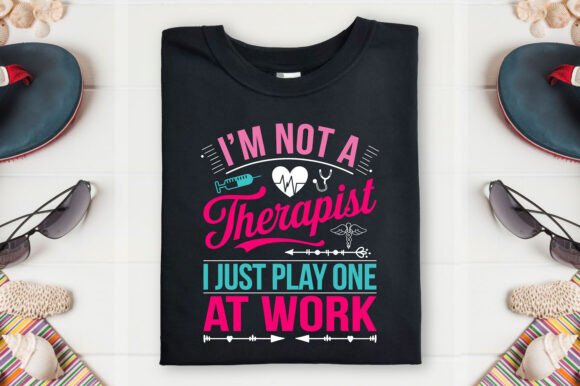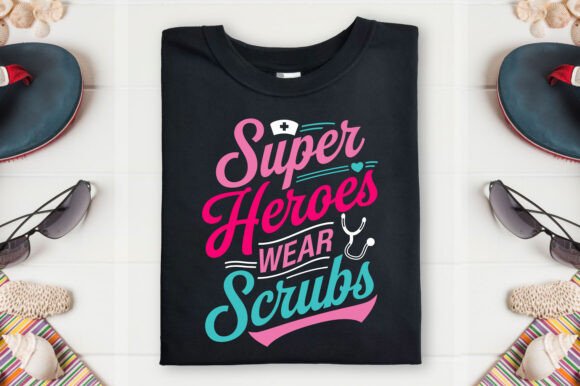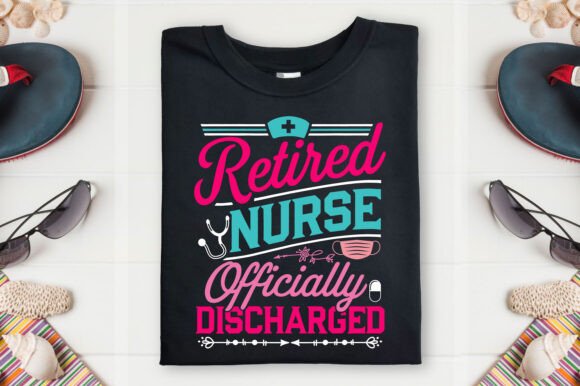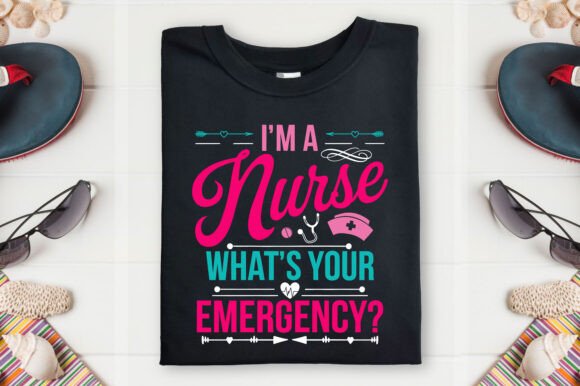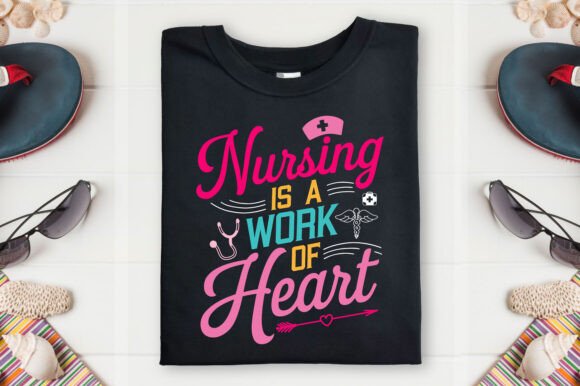
Nurse T-shirt Design Nursing Work Heart
As someone who’s digitized, stitched, and sold hundreds of embroidery designs—from boutique baby onesies to hospital staff apparel—I opened Nurse T-shirt Design Nursing Work Heart with a quiet but critical eye. Not for novelty, but for function: Will this hold up on a soft cotton tote bag I’m stitching for a pediatric nurse friend? Will it read clearly at 3.5 inches wide on a curved cap brim? Does it carry warmth without looking generic? Let’s walk through it—not as a listing, but as a real design decision.
First Impression: Clean, Kind, and Commercially Savvy
The design lands softly—no sharp angles or aggressive fonts. It centers a stylized heart cradling a subtle nursing cap and cross, wrapped in clean, balanced negative space. There’s no cluttered border, no overwrought script, and no unnecessary shading. That simplicity is its strength: it reads instantly at arm’s length, feels respectful without being stiff, and avoids the “clip-art trap” many freebies fall into. For a machine embroidery design, that clarity translates directly to stitch fidelity—especially important when working with applique design layers or fine satin-stitched outlines.
Where It Shines (and Where It Needs Care)
I tested Nurse T-shirt Design Nursing Work Heart across three real project types: a lightweight linen tea towel, a midweight unisex sweatshirt, and a structured cotton twill apron. On the towel, the open layout allowed the fill stitch areas to breathe—no puckering, no thread nesting. On the sweatshirt, I used medium cutaway stabilizer and saw crisp edges even in the heart’s inner curve. The apron, however, revealed where caution is needed: the topmost curve of the cap detail tightened slightly under tension. Not a flaw—but a reminder that stitch density and fabric texture matter more than file resolution alone.
This isn’t a design built for micro-embroidery. Don’t push it below 2.75 inches wide on stretchy knits or thin rayon blends—it loses definition in the corners. And while the transparent PNG file gives great flexibility for mockups, remember: what looks sharp on screen won’t always translate to thread-on-fabric. I recommend checking how the heart’s inner line holds up in both black and white mockups before finalizing a dark-fabric run.
Real-World Fit: More Than Just a T-Shirt Graphic
Yes, it’s labeled a “nurse t-shirt design”—but its versatility surprised me. As a personalized gift, it worked beautifully on a baby blanket (scaled to 4 inches, with gentle fill stitch and reduced density). As small shop product merch, it elevated a plain canvas tote—clean, recognizable, and emotionally resonant without shouting. For an Etsy seller, it’s a strong anchor for a “Nursing Grad” collection: pair it with minimalist monograms or soft-tone thread palettes (navy + heather gray, blush + ivory), and it reads professional, not promotional.
It also performs well on curved surfaces—like the front panel of a dad cap—when hooped with light tear-away and floated stabilizer. But skip it for dense layered garments (think quilted jackets) unless you’re willing to manually simplify the fill areas first. And avoid using it full-size on textured fabrics like heavy terry cloth or bouclé—those tiny interior lines will vanish.
What This Design Says About Your Brand (Even If You’re Just Starting Out)
Your customers don’t just buy stitches—they buy intention. Nurse T-shirt Design Nursing Work Heart communicates care, quiet pride, and human-centered craft. That tone matters whether you’re gifting a handmade product to a retiring RN or listing a digital embroidery file on your own shop. It doesn’t scream “sale,” but it earns trust—especially with healthcare workers who’ve seen too many rushed, clichéd designs.
For creative entrepreneurs, it’s a low-risk, high-resonance asset. Because it’s offered as a Freebies item in the Graphics category, it’s accessible—but don’t treat it as disposable. Its clean vector base (the EPS file) means you can scale, recolor, or adapt elements without pixelation. That makes it useful not just for embroidery, but for coordinating printables, packaging stickers, or social media banners—extending your design assets beyond one stitch file.
Practical Designer Notes Before You Stitch
- Always test first: Run a sample on scrap fabric matching your final project’s weight and stretch—even if it’s “just a tote.”
- Check thread color contrast: The heart’s outline relies on legibility. On dark fabric, use bright white or metallic silver; on light, go deep burgundy or navy for richness.
- Confirm hoop size early: While the 4500×5400 px artboard suggests scalability, verify your machine’s max hoop capacity—and whether the design fits comfortably within it *with seam allowance*.
- Inspect small details: Zoom in on the cap’s brim and cross intersection. If those lines feel too thin for your fabric, adjust underlay or reduce stitch count manually.
- Stabilizer is non-negotiable: Use cutaway for knits, tear-away for stable wovens, and floating + topping for napped or fuzzy surfaces like fleece.
- Licensing check: The description says “Any Personal Or POD”—but if you’re selling finished embroidered items commercially (not just print-on-demand), double-check usage rights with the source before scaling production.
Final Thought: A Thoughtful Tool, Not Just a Download
Nurse T-shirt Design Nursing Work Heart won’t replace custom digitizing for high-end corporate orders—but it’s exactly the kind of reliable, emotionally grounded embroidery file that builds repeat customers for a craft business. It fits quietly into holiday embroidery bundles, works as a standalone embroidered patch, and adds sincerity to a personalized gift without demanding attention. In a landscape crowded with flashy, over-digitized graphics, its restraint is its professionalism.
If you’re choosing it for a client project, a boutique shelf, or your own small batch of nurse-themed merchandise—take the time to see it not as a flat image, but as thread, tension, texture, and trust. That’s where the real work begins.