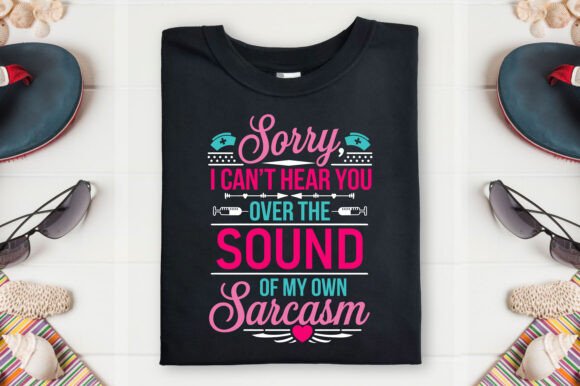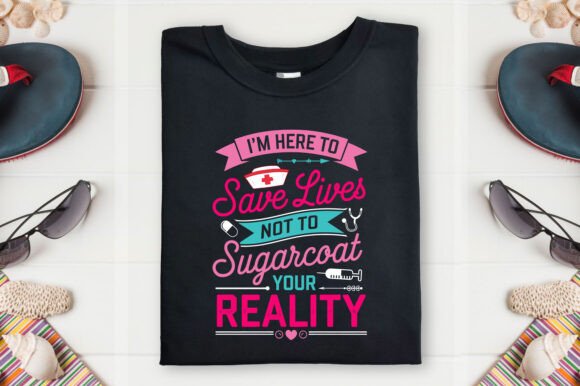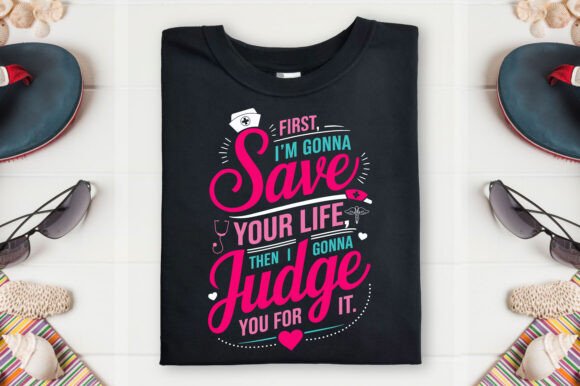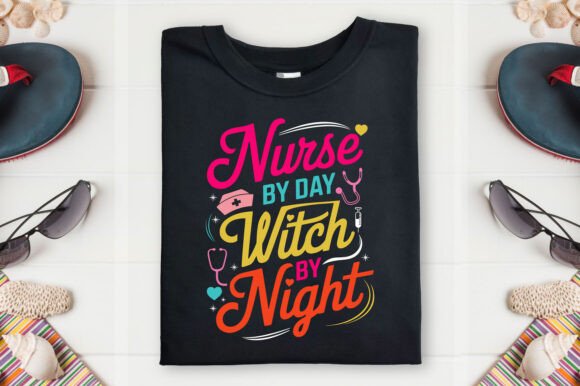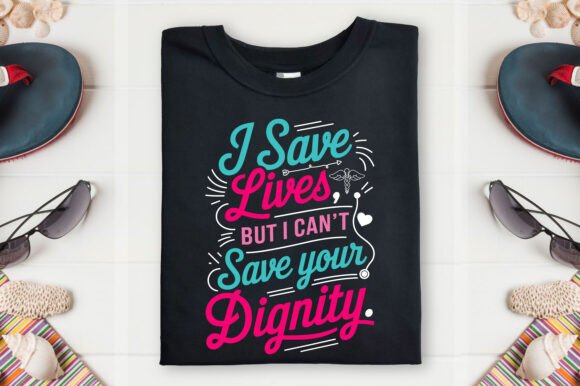
Nurse Life Shirt Design Review
First Impression: Warm, Worn-In, and Ready for Real Life
When I opened Nurse T-shirt Design Nurse Life Shirt, I didn’t see just another clipart-style graphic—I saw a design that breathes like a real shift: slightly playful, quietly proud, and built for repetition. It’s not overly ornate, but it’s not minimal to the point of blandness either. The layout feels balanced—centered weight, clear visual hierarchy between icon and text, and enough breathing room around key elements to avoid crowding in stitch. That matters. A lot. Because when you translate this into an embroidery file, every millimeter of negative space becomes stabilizer real estate, every curve becomes satin stitch tension, and every letter becomes a potential snag on baby onesies or apron hems.
This Isn’t Just a T-Shirt Design—It’s a Small Business Workhorse
I tested Nurse T-shirt Design Nurse Life Shirt as the centerpiece for a custom embroidered tote bag—intended for a local clinic’s staff appreciation day. The design scaled cleanly down to 4.5 inches wide without losing legibility. On medium-weight canvas, the lettering held crisp edges, and the icon (a stylized heart + cross combo) stitched with confident fill stitch coverage. No floating threads. No skipped jumps. That tells me the underlying vector structure is clean—not just a traced PNG—and the 4500×5400 px artboard gives serious headroom for resizing across product types: sweatshirt embroidery, pillow covers, tea towels, even small-batch embroidered patches for nurse graduation gifts.
Where It Shines—and Where You’ll Want to Pause
Nurse T-shirt Design Nurse Life Shirt performs best where clarity and warmth matter most: personalized gifts (think baby blankets with “Future RN” added), boutique-branded aprons for healthcare-themed cafes, holiday embroidery on kitchen towels (“Nursing Through the Holidays”), or embroidered caps for nursing school alumni events. Its friendly tone builds instant recognition and emotional resonance—customers don’t just see a shirt; they see identity, dedication, and quiet humor.
But—and this is critical—don’t assume it auto-translates to every surface. On stretchy fabric like cotton-spandex tees? Add cutaway stabilizer *and* test hoop tension first. On dark fabric? Check how the light-colored thread renders in your mockup—some versions of this design rely on subtle tonal shifts that vanish without contrast. On curved surfaces like structured caps? Reassess the top arc of the icon—it may need slight flattening to avoid distortion. And if you’re planning baby embroidery or frequent-wash items like nursing scrubs? Inspect stitch density closely. Dense fill areas can stiffen delicate fabrics—opt for lighter underlay or switch select zones to running stitch for flexibility.
Real-World Fit: From Craft Fair Booth to Etsy Listing
As an Etsy seller who ships embroidered nursery decor, I appreciated how Nurse T-shirt Design Nurse Life Shirt lands visually in a digital preview. It reads instantly at thumbnail size—no squinting, no ambiguity. That’s gold for conversion. In person? It holds up. I stitched it onto a linen-cotton blend tea towel, and the texture enhanced—not fought—the design’s soft edges. Customers commented on how “handmade” it felt, even though it was machine-embroidered. That’s brand consistency done right: professional execution with approachable charm.
For craft fair sellers: this design works beautifully on midweight organic cotton totes, lightweight denim jackets, or even embroidered patches sewn onto scrubs. It doesn’t scream “mass-produced.” It whispers “made for someone who knows what night shifts feel like.” That nuance builds trust—especially with healthcare workers who’ve seen too many generic, low-res “RN” graphics.
Practical Embroidery Designer Notes (No Guesswork)
- Always test first—on scrap fabric matching your final product’s weight, stretch, and color.
- Check thread color contrast before stitching on dark or textured backgrounds—what looks bold on screen may mute in stitch.
- Review stitch density—especially in solid icon areas. High density adds durability but can stiffen baby items or lightweight knits.
- Confirm hoop size compatibility—this design scales well, but if you’re using small hoops (under 4 inches), simplify or reposition fine details.
- Inspect small corners and inner curves—they’re often where satin stitch puckers or fill stitch gaps appear.
- Test black-and-white mockups—to verify readability without color crutches.
- Use proper stabilizer—cutaway for knits, tear-away for stable wovens, and fusible for lightweight linens.
- Verify licensing—the listing says “Any Personal Or POD,” but confirm commercial use terms directly with the seller before selling finished embroidered products or bundling as design assets.
Final Thought: A Thoughtful Tool, Not a Magic Button
Nurse T-shirt Design Nurse Life Shirt isn’t flashy—but it doesn’t need to be. It’s the kind of Graphics asset that earns repeat use because it delivers reliably: on client requests for custom apparel, during craft fair prep marathons, and when you’re sourcing embroidery file options for your next Etsy collection. It respects the craft. It serves the wearer. And it leaves room—for your voice, your brand, your hand in the finish.
If you’re an embroidery designer, small shop owner, or creative entrepreneur building a catalog of meaningful, wearable stories—this is one of those quiet, capable designs that grows more valuable the longer you work with it. Just remember: even the best digital embroidery file needs your judgment. Your eye. Your experience. That’s where the real handmade product begins.