Spooky Nurse Halloween Sublimation
A Designer’s First Look: Playful, Not Paranormal
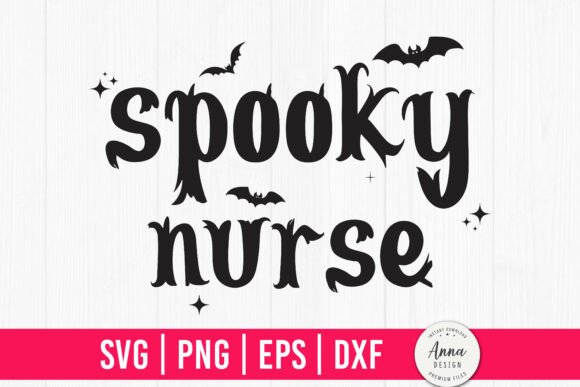
When I opened Spooky Nurse Halloween Sublimation, I wasn’t met with jump-scare chaos — just a clever, slightly cheeky twist on classic Halloween iconography. Think vintage apothecary meets candy corn: a stylized nurse silhouette holding a syringe filled with glittery purple “medicine,” surrounded by subtle bats and tiny pumpkins. It’s not overly detailed, but it’s got rhythm — clean lines, balanced negative space, and intentional simplicity. That tells me this isn’t meant for 30,000-stitch heirloom embroidery. It’s built for charm, clarity, and quick impact — especially on items like tote bags, aprons, or kids’ sweatshirts where readability matters more than realism.
Real-World Test: Embroidering It on a Cotton-Linen Kitchen Towel
Last week, I used Spooky Nurse Halloween Sublimation to embroider a set of holiday kitchen towels for a local boutique. Why towels? Because they’re unforgiving — loose weave, minimal stretch, zero forgiveness for dense fill stitches or poorly balanced thread tension. I ran the design at 3.8" wide (hoop size: 4x4") using medium-weight cutaway stabilizer and 40-weight polyester thread. The result? Crisp satin-stitched outlines held up beautifully, and the small pumpkins read clearly without bleeding. But here’s what stood out: the syringe detail — thin and vertical — needed a slight stitch-density reduction in my editing software. Left untouched, it would’ve puckered lightweight cotton. That’s not a flaw in the design; it’s a reminder that Spooky Nurse Halloween Sublimation is a starting point — not a plug-and-play file for every fabric or machine.
Where It Shines (and Where It Needs Extra Care)
This machine embroidery design thrives on structured, stable surfaces:
- Custom apparel: Works cleanly on crewneck sweatshirts and structured tote bags — the silhouette reads well even at 3–4" scale.
- Embroidered patch: Perfect base for iron-on or sew-on patches — its bold shape and minimal interior detail reduce stitching time and thread waste.
- Baby embroidery: Gentle enough for onesies or burp cloths when scaled down to 2.5", though I’d skip the syringe element entirely for infant items (opt for the bat-and-pumpkin version if available).
- Holiday gifts & small shop product: Adds instant personality to tea towels, pillow covers, or aprons without overwhelming the item’s function.
Proceed with caution on:
- Stretchy fabric — like jersey t-shirts — unless paired with firm tear-away + topping. The clean lines can distort if the ground fabric shifts mid-stitch.
- Dark fabric — especially black or navy. The design relies on contrast; test thread colors (e.g., lime green or metallic silver) before committing to production runs.
- Curved surfaces — like caps or curved pillow seams. The top-heavy silhouette may need repositioning or minor digitizing tweaks to avoid distortion.
- Frequent-wash items — like baby clothes or kitchen linens. Confirm your satin-stitch density is tight enough to resist fraying after 15+ washes.
What This Design Says About Your Brand — Before a Single Stitch
Using Spooky Nurse Halloween Sublimation signals playful professionalism. It’s not generic clipart — it’s got voice. For an Etsy seller or craft business, that builds trust: customers recognize intentionality. But it also sets expectations. If your shop leans minimalist or rustic, this design might feel tonally off next to neutral linen pillows or ceramic mugs. It belongs beside candy-colored enamel pins, hand-printed bandanas, or embroidered denim jackets — products that invite a smile, not solemn reverence. And because it’s categorized under Freebies and Graphics, double-check licensing before listing finished embroidered goods. Some free files restrict commercial use unless upgraded — always verify before scaling for wholesale or holiday markets.
Practical Notes Every Embroidery Designer Should Run Through
Before loading Spooky Nurse Halloween Sublimation into your embroidery software:
- Test on scrap fabric first — especially if using textured weaves or blends. What looks sharp on screen rarely behaves the same on burlap or terry cloth.
- Review stitch density — high-fill areas (like the nurse’s hat or syringe barrel) may benefit from 10–15% density reduction to prevent stiffness or thread breakage.
- Confirm hoop size compatibility — the file includes SVG, PNG, DXF, EPS — great for cutting machines, but for embroidery, you’ll need a converted embroidery file (.dst, .pes, etc.). Don’t assume it’s ready-to-stitch.
- Inspect small details — those tiny bats near the hem? They may vanish on low-res machines or require manual cleanup for smooth satin edges.
- Try black-and-white mockups — does the design hold visual weight without color? If it flattens or disappears, consider adding a subtle outline stitch or shadow layer.
- Use proper stabilizer — medium cutaway for knits, tear-away for stable wovens. Skipping this step will mute the crispness the design was built to deliver.
- Check commercial rights — since it’s labeled a digital embroidery file and part of a Graphics collection, confirm whether resale of finished embroidered items is permitted — many free designs allow it, but never assume.
Final Thought: A Thoughtful Tool, Not a Magic Fix
Spooky Nurse Halloween Sublimation won’t replace custom digitizing for high-end clients — but it *will* elevate your holiday inventory, speed up Etsy listings, and add consistent seasonal flair to your handmade product line. It’s smart, scalable, and stylistically cohesive — exactly what busy designers and creative entrepreneurs need when October rolls around. Just remember: even the best design assets rely on thoughtful execution. So stitch slow, stabilize right, and let the spookiness stay stylish — not sloppy.